Key Takeaways
- Many homeowners assume all property damage is covered, but pests, mold, and neglect-related issues are often excluded.
- Regular maintenance, inspections, and pest prevention can help you avoid costly uncovered repairs.
- Rodent damage may be covered if it causes secondary issues like fire or water leaks, but prevention is key.
- Slow leaks and unnoticed drips can lead to mold growth and may not qualify for insurance coverage.
- A public adjuster can help interpret your policy, identify potential problem areas, and guide you through any claims process.
You can do a lot around your house to minimize potential claims on your homeowner’s or even renters’ insurance. As we’ve discussed before, keeping your property well-maintained, inspected, and up to date can do a lot to help avoid problems that will lead to calling your insurance company.
Keep your landscaping under control, your plumbing well insulated and protected, and having your heating and cooling systems in good working order are all things that you can do to avoid catastrophes.
Often enough, we don’t really worry about some situations that could lead to damage. You’ve got a good insurance policy, right? You’re covered, right? Right?
I regret being the one to break it to you, but there are some sneaky and devious things that can happen to your property – usually when you least expect it, because, of course, your insurance may not even cover some of these problems (except under very specific circumstances).
In Connecticut, in September/October, you may start to feel a little…crowded. You may hear that furtive scurry across the basement floor, or perhaps your bag of flour developed a mysterious hole while it sat in your pantry.

Little Buddy Mouse has decided your home will also be his home this winter. Maybe you’re noticing those unsettling little piles of wood shavings along the windowsill. Or perhaps your summer vacation resort sent you home with a few extra stowaways in your luggage.
If you consider not-so-sentient sneaky creatures, the pipe under the kitchen sink that’s been dripping all summer is leading to some pretty disturbing sights and smells hidden by just a cupboard door. You guessed it, the slow drip, plus summer’s heat and humidity, has resulted in mold in your wood and cabinets.
What’s the worst that can happen? Call the insurance company, and they can get you on the road to repair, right?
Many homeowners assume that insect, rodent, or mold damage is going to be automatically covered. Unfortunately, too many find out the hard way that it generally is not.
However, there are steps you can take yourself to prevent this kind of thing from happening and becoming a much bigger problem than it has to be.
Insects & Pests: The Tiniest Troublemakers
Overall, most homeowner’s insurance policies do not cover damage caused by sneaky, creepy, crawling houseguests. Termite damage, ant infestations are not covered. These problems are usually seen as preventable by routine maintenance and upkeep. And the bedbugs didn’t read your policy before coming back with you from Ibiza, either.
It doesn’t hurt to call your insurer or get in touch with a public insurance adjuster to look into it. There are a few circumstances under which you may be covered, and an adjuster can help you interpret your policy.
Where bedbugs are involved, move right into remediation mode, because if your policy won’t cover fixing this, it definitely won’t cover the flamethrower you may secretly want to employ, either.
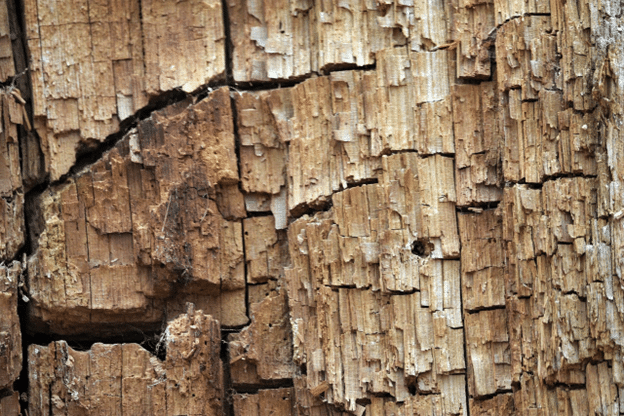
Termites can do plenty of damage before you even notice them, making a quick meal of the wood in your house. There are ways to head them off at the pass and several companies that specialize in treatment and prevention.
Likewise, you’ll be on your own to deal with carpenter ants and cockroaches, too. Prevention is the key with these sneaky little creatures.

Rodents: Mice, Rats, and Their Sneaky Cousins
There are a few circumstances under which rodent damage may be covered by your insurance. If a rodent chews through the wiring, causing a fire, you may be covered. Perhaps you’ve got water damage because the furry intruder gnawed through a waterline or started some chain reaction of damage that would be funny if it were in a Saturday morning cartoon. But it’s very real, and now there’s a hole in the ceiling, water spraying everywhere, and where’s the smoke coming from?
Once an intruder causes other things to happen, your insurance should be able to help. A claim like this can get complicated, however, so putting a call in to Robinhood Adjusters might be your next step. They’ll be able to help navigate the damage and recovery and take the stress off of you, which is valuable on its own.
Otherwise, prevention is very important to avoid rodent and small animal damage. Set and maintain appropriate traps, find and fill possible entry holes with steel wool or expanding foam. Keep the pantry organized and neat, clean up crumbs and spills as they happen, so mice don’t detect a free meal.
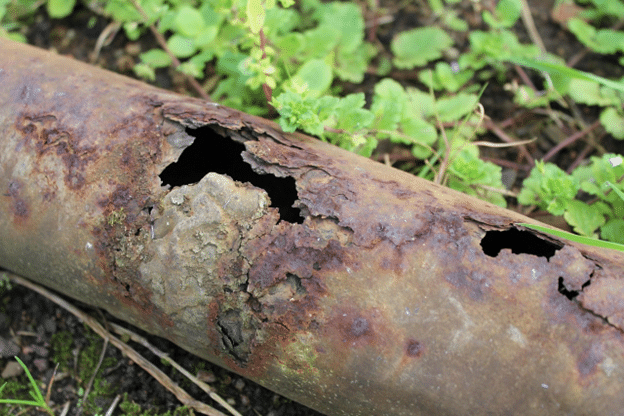
Water Woes & Maintenance Misses
If you have a pipe freeze and burst, there’s a good chance your insurance company will help with repairs and cleanup. (Pro Tip: call your local public adjuster!)
But what about the less-than-obvious?
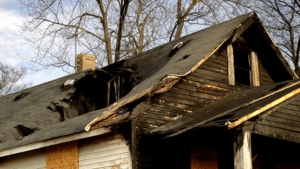
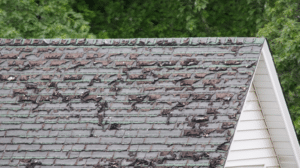
A slow drip that eventually turns into your new indoor pool would be excluded due to poor maintenance. Ignoring the shingles that have fallen off the roof for a few years would be seen as poor maintenance, too.
Like your faithful writer, parts of your home are rapidly aging, too. Regular maintenance, routine inspection, and making repairs as they come up are your front-line defenses for pending calamity. The relatively small fee you pay to get those shingles taken care of or fix that little drip in the shower will feel like nothing compared to the bill you’ll see if you need to redo the entire roof and replace soggy insulation and drywall on your own dime.
Mold: The Silent Invader
Mold as a health hazard and wrecker of just about everything has been done to death by the media at this point, but that doesn’t make mold any less of a serious problem if you have to deal with it.
If you have a pipe burst and eventually find a mold problem, you may be covered by your insurance. But that slow drip I just mentioned can also cause mold, and since that’s a maintenance issue, you may not be covered by insurance to get it properly removed.
This is another situation in which an ounce of prevention is worth a pound of cure. Keep up on those drips and leaks. Use commonly approved remedies to clean areas of mold while staying safe.

Big Surprises: Flood, Earthquake, & Other Natural Events
Read your policy carefully. Some will exclude floods and earthquakes, particularly as weather patterns change and storms strengthen in vulnerable areas. (although separate policies are often available)
I can’t think of any ways to fend off a flood or earthquake, but there are steps you can take to keep yourself safe while it’s happening. You’re not completely alone with these; however, often coverage is available to cover this kind of disaster, and you can look into this by calling your insurance agency to see what they can do for you.
Just remember that Mother Nature, like mice, bugs, and mold, doesn’t read your policy either before sending a landslide to your backyard.
How to Outsmart the Sneaky Stuff
So if none of this stuff is covered by my homeowner’s insurance, what do you do?
Prevention is your best bet here. Walk through your home and property and take note of anything that’s starting to look worn or broken. Document any stray leaks or drips – identify weak areas in your plumbing, areas that look vulnerable to bugs or small animals. Take pictures, take notes. Then get to work fixing up what you can.
Consider bringing in a public insurance adjuster. Your adjuster can help you identify problem areas and offer advice about minimizing potential damage, what’s covered, what won’t be covered, and how to deal with any potential claims you may file.
Now’s the time to put a plan in action. The steps you take now will pay off in your comfort and peace of mind. And spare your cat the embarrassment of failing, once again, to round up his mouse friends and evict them.
Before you put the cat on double secret probation, remember to give us a call. With Robinhood Adjusters in your corner, you can work through any sneaky issues that drip, skitter, or scurry into your life.