
If you opened your home insurance renewal in Connecticut this year and immediately thought, “This has to be a mistake”—you’re in very familiar company.
Across Connecticut in 2026, homeowners are seeing higher premiums, tighter coverage terms, and in some cases, non-renewal notices that feel completely out of nowhere. The frustrating part? Most of the time, it has nothing to do with something you personally did.
So what’s actually going on?
Let’s break it down in plain English.
1. Connecticut Is Now in a “High-Claim Cost” Insurance Zone
Insurance companies don’t just look at your house—they look at your entire risk environment.
In Connecticut, the combination of:
- stronger coastal and inland storms
- heavier rain events and flash flooding
- winter freeze-thaw cycles causing pipe and roof damage
- increasing wind-related roof claims
has pushed the overall cost of claims significantly higher in recent years.
Even if you’ve never filed a claim, you’re still part of a shared risk pool. When that pool gets more expensive, premiums adjust across the board.
2. Storm Damage Is More Expensive Than It Used to Be
It’s not just that storms are happening—it’s that they cost more now.
Labor shortages in construction, rising material prices, and supply chain volatility have made even “small” claims significantly more expensive than they were a few years ago.
A roof repair that once cost a few thousand dollars can now cost substantially more. Water damage restoration? Faster timelines, higher labor rates, more specialized equipment.
Insurance companies are pricing that reality into every renewal.
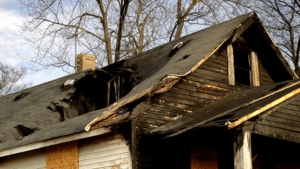
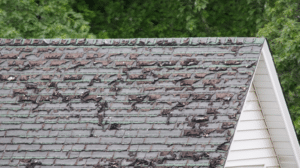
3. Roof Age Is Quietly Driving a Lot of Non-Renewals
One of the biggest hidden changes in Connecticut insurance right now is how aggressively insurers are evaluating roofs.
Many companies are:
- using aerial imagery and drones
- flagging roofs over 15–20 years old
- reducing coverage options for older roofs
- issuing non-renewals instead of offering repairs or replacements
Even if your roof looks “fine from the ground,” insurers may see it differently.
And once your roof is flagged, your entire policy can shift.
4. You’re Being Rated on More Than Just Your Home
This is where most homeowners get caught off guard.
Insurance companies now use a broader set of data than ever before, including:
- prior claims in your area (not just yours)
- neighborhood risk scoring
- credit-based insurance scoring (in many cases)
- property condition modeling
- catastrophe exposure mapping
That means two neighbors on the same street can receive completely different renewal increases.
Not because one did something wrong—but because the data profile is different.
5. Insurance Companies Are Leaving or Shrinking Certain Markets
Another major factor in 2026: insurers are getting more selective in Connecticut.
Some companies are reducing exposure in higher-risk regions or tightening underwriting standards overall. When fewer carriers are willing to write policies, competition decreases—and pricing power shifts back to the insurer.
That usually results in:
- higher premiums
- stricter renewal conditions
- fewer coverage options
Even loyal customers feel the impact.
6. Reinsurance Costs Are Driving Everything Upstream
Most homeowners never hear about reinsurance, but it plays a major role in your premium.
Reinsurance is essentially insurance for insurance companies. When global catastrophe losses increase (hurricanes, floods, wildfires, severe storms), reinsurance becomes more expensive.
Those costs don’t stay at the top—they flow directly down into homeowner policies.
So even if Connecticut had a “normal” year locally, global losses still affect your renewal.
7. Inflation Isn’t Just Affecting Groceries—It’s Affecting Claims
Inflation doesn’t stop at the grocery store.
It impacts:
- contractor labor rates
- building materials
- emergency response services
- temporary housing costs during claims
- transportation and logistics
Insurance companies are constantly recalculating what it would cost to rebuild or repair your home today, not five years ago.
That difference is showing up in your renewal.
What This Means for Connecticut Homeowners
Here’s the honest takeaway:
Your rate increase usually isn’t personal—but it is specific.
It reflects a combination of:
- statewide risk trends
- property-specific underwriting rules
- rebuilding costs
- and insurance market shifts happening in real time
The challenge is that most homeowners are never told why their policy changed—only that it did.
What You Can Do About It
Even in a shifting market, you’re not powerless. A few key steps can make a real difference:
- Review your policy every renewal (don’t auto-renew blindly)
- Check your roof condition before the insurer does
- Document your home’s condition regularly
- Ask for a full coverage breakdown—not just the price
- Work with a licensed public adjuster if you’ve had storm or property damage
Sometimes, the issue isn’t just the premium—it’s whether your coverage still reflects what your home actually needs.
Final Thought
If your insurance went up again this year, you’re not missing something obvious—and you’re definitely not alone.
What you’re seeing is the result of a much larger shift happening across Connecticut’s insurance landscape: more storms, higher costs, stricter underwriting, and a more cautious market overall.
The key is understanding what’s driving it—so you’re not just reacting to the increase, but actually staying ahead of it.
If something about your insurance doesn’t make sense, let us take a look.
Contact Robinhood Adjusters CT today at (203) 727-3968 and get a real advocate in your corner.