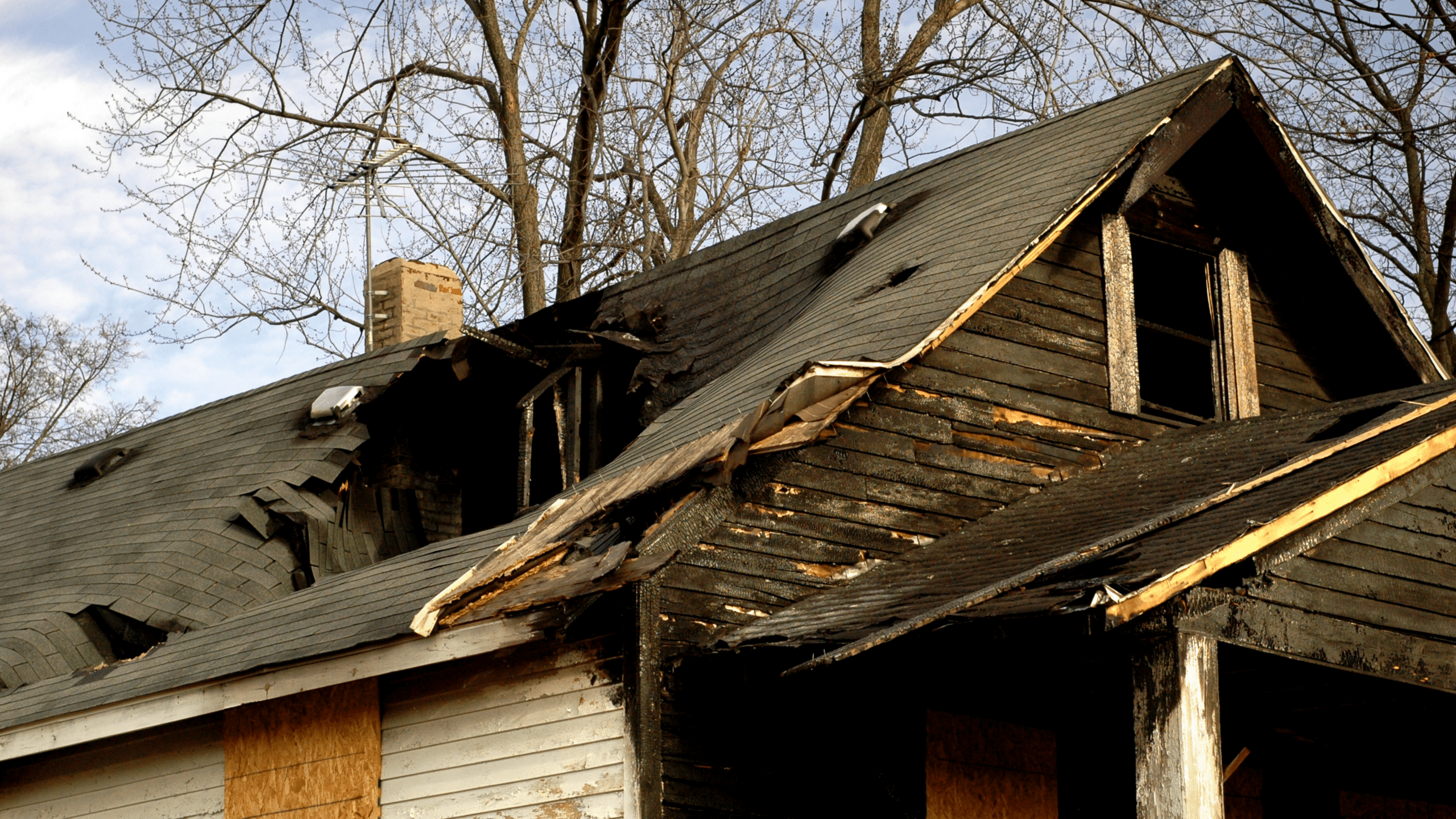
April is Financial Literacy Month—a time when most people think about budgeting, saving, and building financial stability. But there’s one major piece of financial literacy that often gets overlooked: what happens when your home is the source of financial loss, not your bank account.
At Robinhood Adjusters, we see it every day—homeowners who thought they were financially prepared until a fire, storm, or water loss turned their world upside down. And in those moments, understanding your insurance policy becomes just as important as understanding your bank account.
Because not all financial losses start in a bank account.
Sometimes, they start in your kitchen ceiling.
Financial Literacy Isn’t Just About Money in the Bank
When most people hear “financial literacy,” they think about savings accounts, credit scores, or retirement planning. But true financial literacy also includes knowing how to protect your largest asset—your home.
For most Connecticut homeowners, a home isn’t just property. It’s stability, security, and long-term investment. So when unexpected damage happens, the financial impact goes far beyond the repair bill.
It can mean:
- Temporary relocation costs
- Emergency repairs
- Lost personal belongings
- Out-of-pocket expenses while waiting for a claim to be resolved
- Emotional stress that leads to rushed decisions
What looks like a “home issue” on the surface often becomes a financial disruption very quickly.
The Hidden Costs Homeowners Don’t Expect
One of the biggest financial surprises after property damage is how many costs aren’t immediately obvious.
For example:
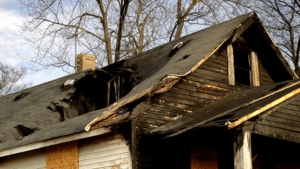
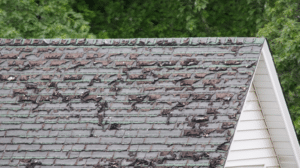
A roof leak isn’t just a roof repair—it can lead to insulation damage, ceiling replacement, mold concerns, and interior repairs.
A small kitchen fire isn’t just appliance damage—it often includes smoke damage cleanup, cabinet replacement, and even contents loss throughout the home.
Water damage from a burst pipe? That can affect flooring, drywall, electrical systems, and furniture—sometimes across multiple rooms.
These “secondary damages” are where financial strain often builds, especially if homeowners delay action or don’t fully understand their coverage.
What Most Homeowners Don’t Realize About Their Policy
Insurance policies are designed to protect you—but they aren’t always simple to interpret in a stressful moment.
Here are a few areas where homeowners often get caught off guard:
1. Deductibles matter more than expected
You’re responsible for your deductible before coverage applies, which can impact repair decisions.
2. Replacement cost vs. actual cash value
Some policies pay to replace items at today’s cost, while others factor in depreciation. That difference can be significant.
3. Coverage isn’t automatic for everything
Not all types of damage or loss are treated equally under every policy.
Understanding these details before a loss happens is a key part of financial literacy—and one most homeowners don’t think about until it’s too late.
From an Adjuster’s Perspective: What Actually Strengthens a Claim
As adjusters, we can tell you this with certainty:
documentation changes everything.
When a loss occurs, the strongest claims almost always have one thing in common—clear, timely records of damage.
That includes:
- Photos taken immediately after damage occurs
- Videos showing affected areas
- Receipts for emergency repairs or mitigation
- A simple inventory of damaged belongings
One of the most common mistakes homeowners make is cleaning up or discarding damaged items too quickly. While it’s understandable in the moment, it can make it harder to fully support a claim later.
In insurance claims, what’s documented is what’s defensible.
Financial Literacy in Action: What You Can Do Now
You don’t have to wait for a loss to prepare. A few small steps now can make a major difference later:
- Review your insurance policy annually so you understand what’s covered
- Create a home inventory (photos or simple phone videos work perfectly)
- Keep important documents in one place so nothing is lost during emergencies
- Know your deductible and coverage limits ahead of time
- Have a plan for who to call if damage occurs
These aren’t just insurance tips—they’re financial protection habits.
Final Thought: Protecting More Than Property
Home damage is never just about the structure. It’s about everything inside it—your routine, your comfort, your sense of stability.
Financial literacy isn’t only about growing wealth. It’s about protecting what you already have when life doesn’t go as planned.
And when it does, knowing how to navigate the insurance process can be the difference between added financial strain and a smoother path to recovery.
If you’re unsure what your policy actually covers or how to approach a claim after damage, Robinhood Adjusters is here to help guide you through the process with clarity and confidence.
Contact us today at (203) 727-3968