
Key Takeaways
- A home inspector checks a property’s condition before purchase or renovation, while a public adjuster helps after damage occurs.
- Call an inspector before you move in and a public adjuster after a loss happens.
- The inspector reports facts, but the adjuster advocates for you during insurance claims.
- Inspection reports can support future insurance claims by documenting a home’s original state.
- Robinhood Adjusters are your trusted local experts for fair, stress-free insurance claim handling.
You’ve certainly heard of insurance adjusters (hello, hi!) and you’ve probably heard of home inspectors, especially if you’ve ever bought, sold, or renovated your property.
If you’re new at it, though, it can get a little confusing, and these two valuable services can be easy to mix up! Spoiler: you’ll probably eventually need both!
We can help you keep them straight. Think of it this way: one comes by and checks the house (or office or other building) before you buy it. They’ll check everything out and ensure the house is sound, and if it’s not, they’ll let you know what needs work. If you’re building new, they’ll make sure everything is done right and to code, so you can avoid headaches down the road. If you’re building an addition or renovating, they’ll do the same – check the work being done and make sure it’s ready to be used or lived in.
The insurance adjuster, however, will be ready to go if a Bad Thing happens. Fire, flooding, electrical problems, structural damage, those things we worry about, but hope the inspector’s done a good job of setting you up for success.
So, more simply put, you’ll need an inspector before you move in. You’ll need an insurance adjuster if you’re already there and something goes wrong.
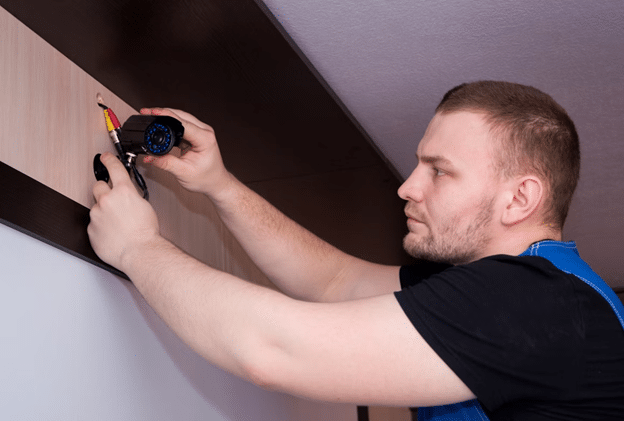
What is a Home Inspector?
Once you stopped buying avocado toast, the housing market suddenly blew wide open for you. How exciting! After plenty of hard work and saving, you’ve found yourself in a position to buy a forever home and say goodbye to apartment living. That’s right, no more wondering how long the upstairs neighbors will be practicing clog dancing every night. No more hoping the landlord gets the snow plowed out in time for work – I mean, yeah, it’ll be on you now, but still, how exciting.
After viewing several properties, you’ve narrowed it down, and it’s almost time to make your move.
But while your future home looks good on the surface, what’s going on behind the scenes? How will the basement or attic fare in a torrential downpour? Is the wiring sound, or was it cobbled together by someone’s second cousin who really needed the work? What’s really hiding behind that suspiciously new piece of wallboard?
These are things the inspector can help determine.
New build? Town and state laws have weight here; building codes are in place for a reason.
While they’re building your house, it will be important to get everything checked out every step of the way. This way, you’ll know your building is being constructed properly, safely, and conforms to the codes in place to keep us safe and mitigate those leaky, sparky problems down the road. That coveted Certificate of Occupancy means a lot more than just ‘a piece of paper’ – it’s letting everyone know that the construction is sound and safe.

What is a Public Adjuster?
A public insurance adjuster is an individual licensed by the state to assess damage and represent you, the policyholder, during a claim against your insurance.
Insurance adjusters are managed by the state, submit to licensing exams, and undergo background checks in order to do business in Connecticut.
They are qualified to represent you, the policyholder, in matters of navigating your insurance claims. A public adjuster will document damage, help with interpreting your policy, and navigate the claim process with you for a positive final outcome. They’ll help ensure a fair settlement from your insurance company. While the insurance company will have its own adjuster, it’s important to remember that they’ll be compelled to act in the best interest of the insurance company. Your own public adjuster will have you and your interests as the main character.
So the inspector is like the detective, checking for clues and documenting how everything is “right now”. The adjuster is the secret weapon you have in your pocket to ensure proper translation between you and your insurance company. Nobody really looks forward to needing an adjuster, but once you do, it’s important to have one who will make the entire claims process easy to navigate and as painless as possible.
The inspector is a neutral character, presenting the facts to you without allegiance.
The adjuster, however, works for you, the property owner.
Where the Two Overlap (and How They Help Each Other)
The home inspector will hopefully find any potential problems when you’re looking at new homes. If the roof leaks, they should be able to detect that and give you the leverage to ask for repairs prior to your purchase, or even change the selling price to take any repairs into account.
A solid inspection can help your claims down the road if something does happen.
Of course, for regular wear and tear, you may also consider purchasing a home warranty. Not for the moment, a tree crashes down onto the roof during a summer storm, but for the regular aging of your home systems.
A public insurance adjuster can sometimes use your inspection report when it comes to interpreting your policy and any damage that has happened. It can be useful evidence in addition to notes and photos that the adjuster will gather when they come to do their inspection.
Between the two, you’ll get an excellent overview of your property’s condition and any potential risks.
Why Knowing the Difference Matters
During a stressful time – particularly after a Bad Thing happens to your property, it’s important to remember who you should call first.
Calling the home inspector after damage isn’t going to help your claim. Having a public insurance adjuster walk through before you’ve made an offer on a house simply isn’t useful. Knowing who to call and when is one of the best first things you can learn about homeownership!
You wouldn’t call the ghost of Picasso to help paint the bathroom, would you? …Would you?
How Robinhood Adjusters Fits In
Robinhood Adjusters are here for you when the Bad Thing happens.
When you sustain damage to your home or business, you don’t need just another inspector to come walk through, nodding and pointing.
Instead, an experienced, licensed public adjuster will come and do the walk-through you need right now. We’ll find and document the damage, even the hidden damage you may not know you have. We’ll be on your side and an effective liaison between you and your insurance company. Robinhood is that local, experienced contact to make sure your claims are handled as well as they can be, so you can get this behind you and move on with your adventures in homeownership.
Now that you know the difference between a home inspector and an insurance adjuster, you never need to worry about calling the wrong guys first. Don’t waste time calling the wrong pro. When the Bad Thing happens, call Robinhood Adjusters — your local ally for fast, fair claims.