Key Takeaways
- Even small fires cause big problems. Lingering smoke, toxic soot, and hidden damage often require professional remediation, not just surface cleaning.
- Smoke spreads far beyond the fire. It travels through HVAC systems and clings to walls, furniture, clothes, and more, making cleanup complex.
- Insurance adjusters may downplay damage. They often focus on visible burn marks and undervalue content loss or needed restoration.
- Policy loopholes can reduce your coverage. Some policies separate fire, smoke, and water damage, leaving you partially or completely underinsured if not carefully navigated.
- Public adjusters work for you, not the insurance company. Robinhood Adjusters documents the full extent of damage, negotiates for proper compensation, and advocates for your total recovery.
- Local experience matters. Robinhood understands Connecticut homes, fire response practices, and partners with reliable local remediation teams.
- You don’t have to do this alone. Even if your claim is already filed, Robinhood can still step in to help, with less stress and better results.
A fire in your home has got to be one of the scariest things you’ll ever face — even a small one. A scorched oven mitt, a faulty outlet, or smoke drifting in from a neighbor’s blaze can still leave your home in chaos.
Even in a minor fire, the smell alone can be serious. It spreads far beyond the kitchen, creeping into your furniture, clothes, walls, and ceilings. A scorched backsplash, flame-damaged appliances, curtains, and, wow, the smoke smell is pretty serious, too. The smoke smell will permeate far beyond the stove and affect your walls, ceiling, floors, and even your clothes and furniture.
A fire, large or small, isn’t always as simple as a ‘property event’. It’s a harsh jolt, a moment of realization before the decision to act. And act you did – maybe emptying the salt container or using your home fire extinguisher – or maybe it was serious enough for you to grab the cat and your phone and head out the door to call emergency services. A fire is a traumatic disruption, with emotional repercussions, real and intimate, as well as causing a big smoky mess that someone’s going to have to clean up. You’ve got some work ahead of you.
Fire Damage Isn’t Just Burn Marks
Fire damage can take many forms. It’s not limited to scorched cabinets, lingering smoke odors, and cleaning up the residue from your kitchen fire extinguisher.
What you may not see at first glance is possible damage to your HVAC system, electrical wiring, sockets, and water-saturated insulation (a great spot for mold to hide out). There could be hidden weak spots, structurally.
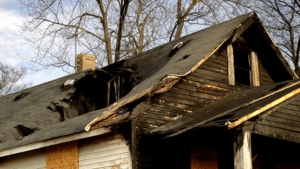
And if you had to involve the fire department, you may have broken windows, holes in the roof or wall, and a lot of water damage. Also, a new fear was unlocked: loopholes. Some policies separate fire, smoke, and water damage, creating gray areas that could leave you with far less coverage than you expected.
Smoke Damage Travels — and Lingers
It’s not just about what burned — it’s about what the fire touched, even if it never caught flame.
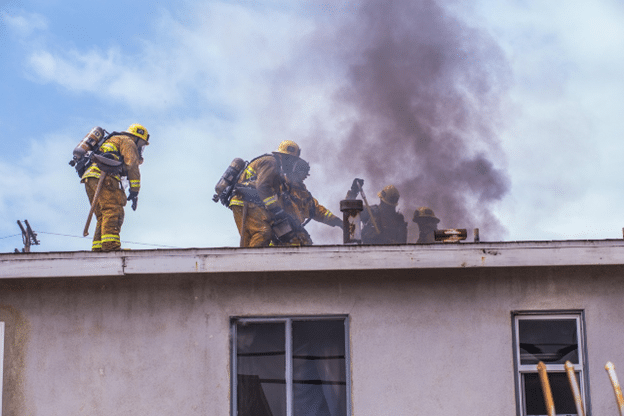
Where there’s fire, there’s smoke. Even if it originates at the neighbor’s house, smoke finds a way. It will sneak into your HVAC system and spread throughout your home, walls, and belongings. It’s going to get into your closets, your bookshelves, rugs, and walls.
It’s not the kind of smell you can spritz away, either. Smoke odor is made of whatever burned — plastic, wiring, insulation — and it can be toxic.
Soot doesn’t just look bad. It stains everything it touches, from ceilings to upholstery to electronics.
Smoke and soot damage are aspects of your insurance claim that can easily be downplayed. Insurance may suggest cleaning or salvaging items that really should be scrapped.
‘This is fine,’ they’ll say. But intuitively, you know that it’s not, in fact, fine.
Where Claims Get Complicated (and Underpaid)
Now that the flames are out and you’ve found your insurance policy, it would follow that you call your insurance company and they send one of their adjusters out to inspect the damage.
The insurance adjuster may appear to be streamlining the process, but they’re really working to streamline the financial side of the equation.
While focusing only on the immediate burn area, they may suggest a surface cleaning instead of replacing damaged items. They may miss some of your damaged property and may not take the additional damages, like smoke-damaged clothing or sentimental items.
Your coverage may not automatically cover a full cleaning of all smoke-damaged areas or even temporary housing if necessary. It might, but the complicated language of an insurance policy may obscure the needed help. A public insurance adjuster comes in handy during times like these.
Why a Public Adjuster Makes a Big Difference
A public insurance adjuster like Robinhood Adjusters works for you, not your insurance company.
We will document the full extent of the fire and smoke damage, including those sneaky, hidden, and secondary effects. Help catalog contents loss with actual value, not an arbitrary, wildly depreciated guess.
We will push for realistic repairs as well as professional cleaning and restoration, as well as coordinate with fire remediation professionals, contractors, and inspectors.
If necessary, we will secure temporary housing, help with living expenses, and support additional claims for loss of use.
Our job is to take the pressure off so you can focus on recovery, not paperwork.

We Know This Isn’t Just a Claim — It’s Your Life
This isn’t just about damage. It’s about dignity — and about putting your life back together properly.
What you need right now is someone trauma-informed, detail-savvy, and based right here in your community.
Robinhood understands and offers thorough, empathetic support. As a Connecticut-based company, they know and deal with experienced regional contractors and mitigation teams.
What to Do After a Fire
The fire’s out. What happens now?
Safety first. Is everyone safe and out of harm’s way? That’s a great start.
The next steps may feel overwhelming. It really is a lot, but you don’t have to navigate this on your own.
Even if you’ve already filed a claim with your insurance company, Robinhood can still help. They can step in with their own tools, contacts, and fluency in insurance-speak to advocate for you and your family to be sure you are compensated properly and efficiently.
Don’t let the insurance company dictate what your recovery will look like. Instead, let Robinhood Adjusters help you rebuild – fully, fairly, and with your best interests at heart.