
Key Takeaways
- Normal wear and tear is expected, but significant tenant-caused destruction may qualify as an insurance claim, not just a security deposit deduction.
- Malicious or excessive damage, beyond everyday use, may be covered under rental property insurance if the proper endorsements are in place.
- Failing to maintain leaks or reported issues as a landlord can jeopardize coverage, especially if the insurer sees it as preventable damage.
- Public insurance adjusters help distinguish negligence from covered losses, properly document damage, and advocate for fair compensation.
- Detailed move-in/move-out documentation, routine inspections, and responsive maintenance help prevent disputes and support future claims.
You don’t have to own a block of high-rise apartments to experience the ups and downs of being a landlord. You may have a duplex or a few single-family houses to manage. Either way, being a landlord comes with having tenants. Tenants come, tenants go. With any luck, your tenants take care of their living space, but we can’t always count on everyone to treat the property with the same love and care that you give your own home.
Now that said, I do hope you’re keeping up with maintenance and repairs, addressing leaks and ongoing problems as they arise. Hallmarks of an excellent and caring landlord, the absolute best kind.
So here we are. You’ve finally gotten the keys back from your outgoing tenant, they’re moving out of state or down the street, or maybe even buying their own home.
I mean, hopefully they’re buying their own property, because what were they doing in there? Housing goats? Hosting a weekend rage room? Practicing with their new circular saw? Because wow, it’s safe to say this tenant probably won’t be getting their security deposit back.
Your walk-through hasn’t been fun, nor has it been funny. You shake your head as you start taking pictures of warped floorboards, a carpet that definitely did not start out that shade of brown, internet-worthy holes in the drywall, and a bathroom sink holding on to the wall for dear life. You’re going to need more than duct tape and sweat equity for this project.

As you inspect your property – stepping gingerly over things you’d rather not identify, documenting and taking notes, it’s clear this isn’t just normal wear and tear.
Not by a long shot. That carpet was brand new just a year ago! You think back to the day you and your tenant signed the paperwork, and you gave them the keys.
What a beautiful little place, fresh paint, plenty of upgrades you’d just finished up, brand new bathroom fixtures, and beautiful new floor tiles in the kitchen.
It’s safe to say the tenant’s security deposit isn’t going to go far here.
So what’s next? Do you go straight to Judge Judy with your photos and notes, and the liberated ceiling fan blades?
Not quite yet.
Regular wear and tear, yeah, that’s something that comes with property rental and is generally the responsibility of the property owner or management.
But whatever kind of synchronized goat-roping these folks were doing in their free time, no. That’s different, completely different.

Wear and Tear vs. Damage: Security Deposit or Insurance Claim?
There’s a huge difference between normal wear and tear and whatever went on in this apartment.
Normal wear and tear might be small chips in the wall, nail or pin holes, or the occasional scuff. Maybe the door knobs are a little loose. These are things you’ll take care of as you prepare for the next tenant. Cost of doing business, really.
A bit more than wear and tear, though, and you may need to dip into the security deposit for the hole in the closet door or blinds so tangled they’ll never block out the light again. We’re still not doing too badly here, after all, that’s what the security deposit is for. Carry on.
And then we get to your brand new indoor wildlife refuge. The damage makes a 1980s-era college comedy look tame by comparison.
It looks like it’s a good thing you recently beefed up your rental property insurance and added a malicious damage endorsement. You should be covered for this mind-boggling mess.
Common Types of Tenant-Caused Damage
Now, in a perfect world, a world that does not include excessive gnaw marks and divots in the bedroom floor, in a perfect world, you may find a few more common examples of tenant damage.
There could be water damage due to an untended bathtub, warped floorboards from the leak nobody told you about.
Perhaps some mild smoke damage from candles or small kitchen fires. Even your friendly writer has experienced a few small cooking mishaps, and I’ve never had a goat in the kitchen.
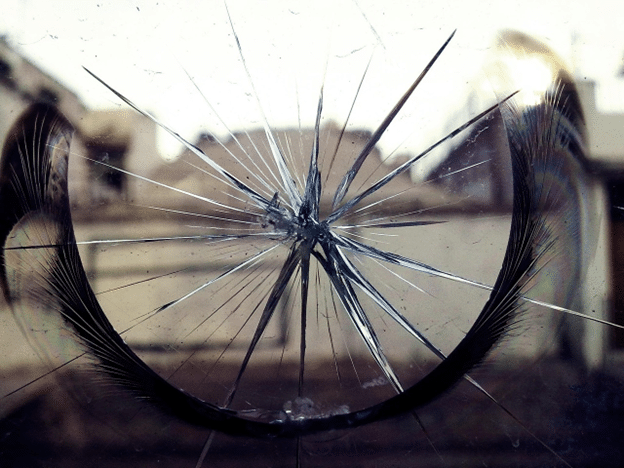
Broken windows, destroyed walls, maybe someone decided the wallpaper needed redesigning, and you’ve got permanent magic marker on every wall. Broken or destroyed fixtures, rodent damage, and missing appliances are all good examples of property damage, malicious or not.
To an extent, some of these problems could be maintenance issues, but hopefully, you were responsive to any complaints that came in over the past year.
Keep in mind that if you ignored a leak as the property owner or manager, you may not be covered since the damage could have been avoided.
Looks like it’s time to pull out your rental property insurance policy and give someone a call.
Not all of these examples will qualify as insurable damage, but knowing the difference can save you thousands
And as a savvy landlord, you just might have a licensed public insurance adjuster already in your contacts.

When It’s Time to Call in a Public Adjuster
If your rental property sustained so much damage that you’ve got to get your insurance company involved, you may want to pause, take a deep breath, and consider a public insurance adjuster.
Your insurance company will send its adjuster out to take a look at the chaotic scene, but it’s important to remember who they work for. That person isn’t going to be crunching the numbers you want to see; they’ll be working hard to minimize financial compensation and maximize exclusions.
Your own personal adjuster, however, works for you.
While you’ve done your part, saved maintenance records, receipts, and documentation every time someone moves in and out of the property, you can’t really have too much documentation.
A public adjuster will come and know exactly what needs a few extra photos. We’ll help sort out what counts as negligence, what’s malicious, and what will be a covered loss.
Any insurance claim can get complicated, so it’s never a bad idea to have this advocacy in your corner.
Preventing Future Claim Chaos
Let’s pause for just a moment and look at some good ways to avoid this from happening with your next tenants.
It all starts with laying eyes on your property. Take plenty of photos, note anything that’s nearing its logical end, like an old stove or well-used washing machine. Document the condition of the property both before a new tenant moves in and after they move out.
Routine inspections and an appropriately scheduled mid-lease walk-through go a long way. Stay mindful of any possible issues, and be responsive when your tenants report a new leak or clog. Be proactive, and you don’t have to be as reactive. And don’t be shy, definitely drop your tenants a message and remind them not to put bones down the disposal or use what may have been literal railroad spikes to hang a poster on the wall.
Keep Calm and Call Robinhood
Don’t panic. It’s okay to look around in wide-eyed wonder, and I don’t mean that in a positive way. There’s no way they didn’t have livestock in here, and if they didn’t, some activities are best left unmentioned. Bottom line is it’s a mess, and it will take a lot more than a security deposit to fix…whatever this is.
Document, document, document. It’s second nature to photograph everything in the digital age, and your damage is no exception.
Pull out your policy and know what your coverage looks like. And before you call them, call Robinhood Adjusters and assemble your rescue team.