DIY home projects are a popular way for Connecticut homeowners to personalize their space, save money, and tackle weekend projects. From kitchen remodels to small electrical upgrades, many homeowners enjoy hands-on improvements. But even experienced DIYers can encounter unexpected problems—and knowing how insurance applies is key to protecting your home and finances.
Common DIY Mishaps
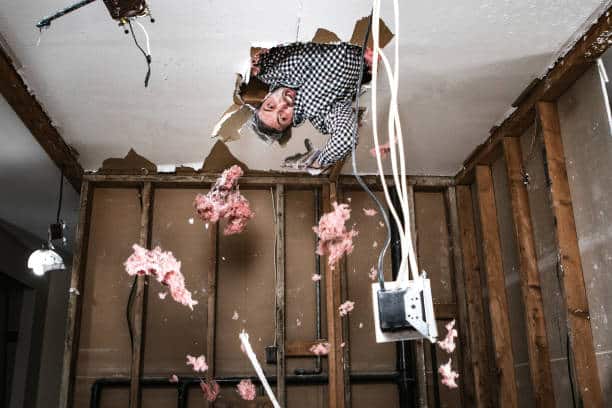
Even small mistakes can lead to costly repairs. Some of the most frequent issues include:
- Water Damage: Accidentally puncturing a water line while installing a backsplash or moving appliances can flood a kitchen or laundry room.
- Fire or Electrical Damage: Short circuits or overloaded outlets during lighting or rewiring projects can cause fire damage.
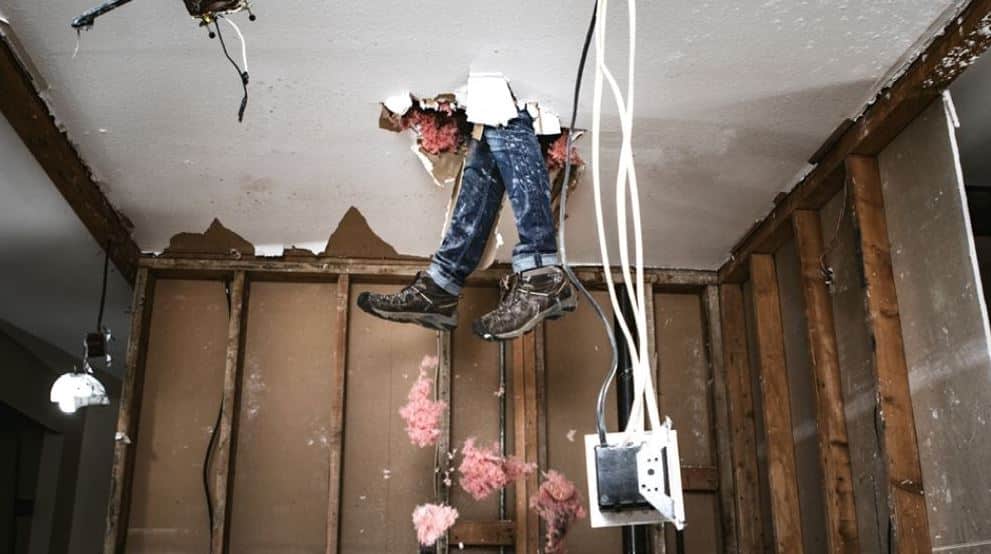
- Structural Damage: Removing walls without understanding load-bearing supports can lead to ceiling sag, cracks, or compromised structural integrity.
- Accidental Property Damage: Dropped tools, ladders tipping over, or paint spills on flooring and furniture.
Relatable Scenario: A homeowner in New Haven attempted a DIY backsplash installation. Drilling too close to a water line caused a leak that damaged the cabinets and flooring. Their insurance covered the repair—but only because they had reported the renovations and ensured coverage was up to date.

Insurance Coverage Considerations
Many homeowners aren’t aware of how DIY projects intersect with insurance coverage:
- Policy Exclusions: Standard homeowners insurance may exclude damage caused by unlicensed or unpermitted renovations.
- Renovation Insurance: For major projects, consider a short-term renovation or endorsement policy to cover accidental damage.
- Updating Policy Limits: Large home improvements increase replacement value, so updating your coverage ensures adequate protection.
Relatable Scenario: In Stamford, a homeowner removed a wall to create an open floor plan. The wall was load-bearing, and the ceiling sagged as a result. Their renovation insurance covered the repair because they had informed their insurer about the planned structural change in advance.
Best Practices for DIY Projects
- Review Your Policy First: Know your coverage before starting any project.
- Obtain Necessary Permits: Proper permits not only ensure safety but also prevent claim denials.
- Use Licensed Professionals for Critical Work: Electrical, plumbing, or structural tasks often require licensed contractors to maintain coverage.
- Document Your Renovation: Keep photos, receipts, and notes on your work in case a claim is necessary.
Relatable Scenario: A homeowner in Hartford attempted electrical work on a ceiling fan. A small fire occurred, damaging the drywall and wiring. Because they had updated their policy after previous home improvements, their insurer covered the damage.
Protecting Your Home and Your Investment
DIY projects can add incredible value and personality to your Connecticut home—but mistakes happen. Understanding your insurance, planning ahead, and knowing when to call a professional can prevent costly surprises.
At Robinhood Adjusters, we help Connecticut homeowners navigate insurance coverage, file claims, and ensure their homes are fully protected—especially after DIY projects don’t go as planned.
📞 Contact us today to review your policy and make sure your home renovations are fully covered.
(203) 727-3968