
Key Takeaways
- Summer storms in New England can cause sudden and severe property damage, from flooding to fallen trees and broken windows.
- Many homeowners start insurance claims believing the process will be straightforward, but it can quickly become complex and costly if handled alone.
- Common pitfalls of DIY claims include incomplete documentation, missing hidden damage (like water inside walls or electrical issues), overlooked deadlines, low settlement offers, and confusing policy language.
- Settling too quickly or without a full damage assessment can lead to significant out-of-pocket expenses for repairs and replacements.
- Filing on your own can also result in lost time, stress, and emotional strain as insurers aim to minimize payouts.
- Public insurance adjusters can thoroughly document all visible and hidden damage, interpret policy language, negotiate fair settlements, and arrange temporary housing if needed.
- Working with Robinhood Adjusters levels the playing field, prevents missed damages or deadlines, and increases the likelihood of a faster and fairer resolution.
Summer in New England: sun, fun, and those impressive summer storms. Particularly now, in the hottest part of the year, with hurricane season in full swing. Property damage might not be guaranteed, but around here, it’s far from rare.
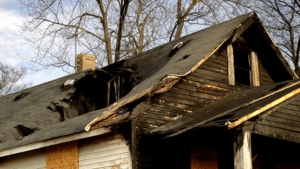
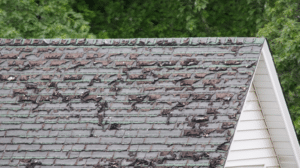
A good thunderstorm blows through on any given afternoon. The creek behind the house might flood more than usual, a tree branch crashes down on the roof, and the house goes dark – the damage illuminated by the flashes of lightning.
Kind of like a movie, but not at all fun.
The fast-moving storm arrives without a lot of warning, wrecks your weekend plans and half your siding, and moves right on like the elusive associate in the plywood aisle of the home improvement store when you run out to find something to board up your spectacularly shattered picture window. Ugh.
Once that’s done and you’re no longer staring straight out into the debris-filled front yard (and maybe the neighbor’s similar situation across the street), the reality starts to set in.
This is a mess! It feels like a lot right now, but you have to deal with it, so you start reading through your homeowner’s insurance policy by the light of your flashlight.
You’ve got this – how complicated could it be? Just call the insurance company, tell them what happened, and wait. You’ve got good coverage, and the guy who wrote your policy seemed pretty solid, right?
Most insurance claims are an easy, streamlined process, designed to compensate fairly and efficiently, right? Just give them a call, right?
This will be easy. Right up until the moment it isn’t.
We’ve seen one too many clients start out this way, and we’ve seen it cost them.
You don’t have to do this alone.
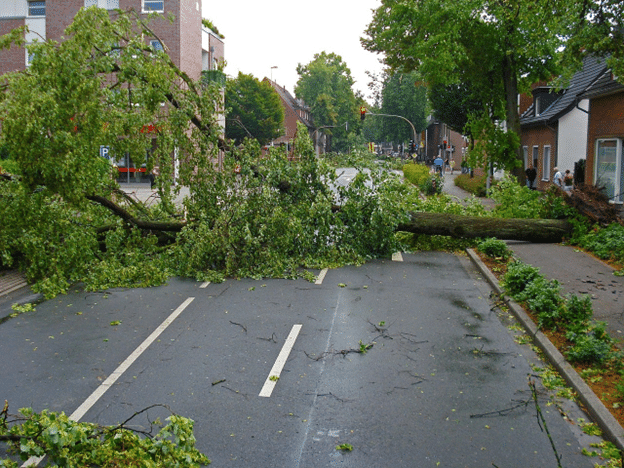
Common Pitfalls of DIY Claims
What are some common pitfalls of handling your own insurance claim directly? I’m here to tell you that this can quickly get more complicated than you may anticipate.
One of the first things you’ll have to do is document everything. Take pictures of the damage and destroyed items, but did you catch everything? Water damage can be sneaky, leaking into the walls and floors you may not see right away. Damage to the plumbing or wiring isn’t always obvious, while also being a critical area. Do you have an inventory list? All the documentation you need to show your loss? See, I’ve just complicated your task quite a bit.
As an average home or business owner, you may feel pressure from your insurance company to settle your claim fast. Fast and at the least possible cost to the insurer. Because of course!
The process can feel like an obstacle course with pitfalls along the way. Hidden or unexpected deadlines and time limits will come into play. The insurance company will be inclined to low-ball the financial impact of your loss. Complicated insurance-speak can easily obscure the finish line as well.
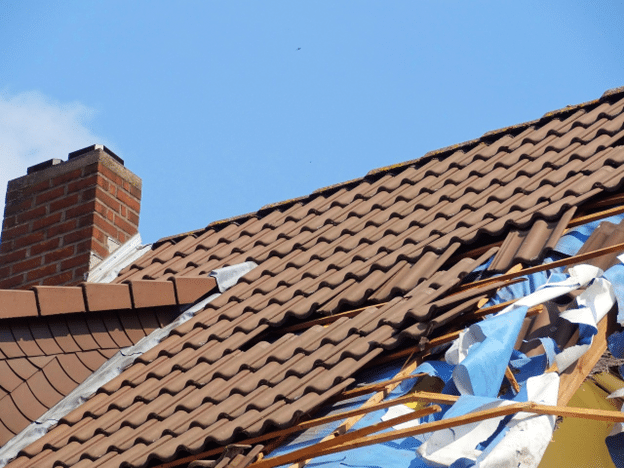
The Real Costs You Don’t See
Sometimes, when you try to take on the insurance company on your own, you’ll feel pressed to accept less than what you may be entitled to when it comes to making you and your property whole again.
As a result, you’ll start to rack up some out-of-pocket expenses for uncovered repairs and replacing lost or damaged property. Miss any sneaky, less-than-obvious damages? That will end up coming out of your pocket as well.
You will lose time (and money) slogging through the paperwork on your own.
And even more important: the stress and emotional distress you may feel as a large, faceless company works to minimize its own financial input. It’s a lot.

How We Protect You
Instead of facing this task alone, I’d like to suggest reaching out to a certified public insurance adjuster. This may be why you’re here today. You’re in the right place.
We can do a thorough inspection of your damage, capturing the moment of destruction in its entirety. Documenting what happened is one of the most important parts of your claim, and we will make sure we find everything.
With an experienced public insurance adjuster, you don’t have to learn a new language to get properly compensated for your loss. We know how to read and interpret your policy and frame your damage appropriately to reflect the impact of the damage within the language of the policy.
We can effectively negotiate your claim to get the most out of your coverage and even find you a hotel, if needed, before and during any structural repairs.
Your insurance claim could go in a couple of ways. Try to handle it yourself and risk coming up short, low-balled for a fast-moving settlement. Maybe the insurance company tries to gaslight you into thinking you could have done more to protect yourself, uses a technical loophole to deny you coverage, or simply tries to run down the clock on both your claim window and your patience.
With your own rapid response team, found in the public adjuster team here at Robinhood Adjusters, many of these obstacles will disappear. Reach out to us before you call them. Even if you’ve already called them, reach out — we can still step in and help pave the way to a better solution. Either way, reach out to us today.