Connecticut storms can turn a normal afternoon into a long night of cleanup. Your job in the first 24 hours is to make things safe, stop new damage, create airtight documentation, and open a well-organized claim. Use this plan to protect your home and your rights.
First 24 Hours: Hour-by-Hour Plan
| Window | Your Action | Proof to Capture | Why It Matters |
|---|---|---|---|
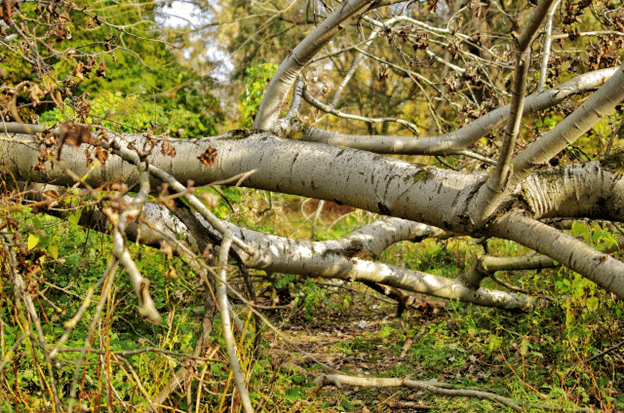
| Hour 0–2 | Stay clear of downed wires/limbs; report hazards and outages. | Utility ticket #, outage screenshot, location notes. | Treat all lines as live; reporting speeds safe restoration. |
| Hour 1–6 | Make safe temporary repairs (tarp, board, shut off water). Avoid permanent work. | Before → during → after photos/video; itemized receipts. | Policies require reasonable steps to prevent further damage; receipts are often reimbursable. |
| Hour 2–12 | Document room by room; list damaged contents. | Wide + close photos, labels/serials; simple inventory. | Clear evidence speeds approvals and supplements. |
| Hour 6–18 | Open the claim; start a claim diary. | Claim #, adjuster name, call notes, upload confirmation. | Prompt notice is required; organized notes prevent disputes. |
| Hour 12–24 | Get independent line-item estimates (roofing/tree/remediation). | Written scopes with materials, labor, permits, code items. | You’ll reconcile scopes—not just totals—against the insurer’s estimate. |
Safety First: Dos & Don’ts
- Downed lines: Don’t approach or move them. Report and keep clear.
- Generators: Never indoors or near openings. Run outside on dry ground, away from doors and windows.
- Chainsaws/ladders: Skip dangerous cuts and wet roofs—hire insured pros.
- Electric + water: Don’t power wet circuits; shut breakers feeding wet rooms.
- Debris: Don’t toss big-ticket items yet—over-document and retain samples where possible.
Documentation: Photos, Lists, and Receipts
Capture evidence once, clearly labeled, so you don’t have to redo work later. Rename files in plain English (e.g., Kitchen_ceiling_stain_2025-09-03.jpg), and keep a simple spreadsheet for contents.
| Area | Minimum Shots | Details to Include |
|---|---|---|
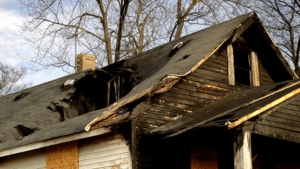
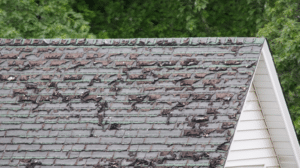
| Exterior & Roof | 6–10 | Shingles, flashing, vents, gutters, fences; attic/sheathing if safe. |
| Interior | 6–10 per room | Ceilings/walls/floors, baseboards, staining, buckling, standing water. |
| Mechanical/Electrical | 4–6 | Panels, HVAC, appliances with model/serial labels. |
| Temporary Repairs | 3–5 | Before → during → after, plus receipts (tarp, plywood, pumps, fans). |
| Contents | 8–12 | Inventory list (brand, age, cost), close-ups of damaged items. |
Opening the Claim (What to Say & Get)
File once you’ve documented the scene and stabilized hazards. Ask for your claim number, the assigned adjuster’s contact, how to upload evidence, and how Additional Living Expenses (ALE) are handled. Keep a claim diary with dates, names, and promises.
Quick script: “Hi, I’m reporting storm damage at [address] on [date/time]. We’ve mitigated immediate hazards (tarped/boarded/shut water) and documented the damage with photos and video. Please provide a claim number, the assigned adjuster’s contact, and instructions for uploading evidence. Also, confirm whether ALE applies and how to submit receipts.”
Estimates & Scopes (Why They Matter)
Get 2–3 independent, line-item estimates and compare scopes, not just totals. If demolition reveals hidden damage (wet insulation, damaged sheathing, compromised trusses), request a re-inspection and submit a supplement with labeled photos and a contractor estimate. For roof and structural issues, see our Roof Leaks Claims and Storm & Wind Damage Claims pages.
Additional Living Expenses (ALE)
Track lodging, increased meal costs, laundry, pet boarding, storage, and extra miles driven (policy-dependent). Save every receipt. If your kitchen or bedrooms are unusable, note why with photos and contractor statements. Learn more on our Water Damage Claims and Fire & Smoke Damage Claims pages.
When to Call a Public Adjuster
- Complex roof/structure damage, multiple rooms affected, or electrical/HVAC impacts.
- The estimate doesn’t match real-world repair steps or code upgrades.
- Clear underpayment or denial.
- No time to manage inspections, supplements, and documentation.
In Connecticut, contractors can discuss scope and pricing, but negotiating your claim on your behalf requires a licensed public adjuster (or an attorney). See Denied & Underpaid Claims and Mold & Mildew for related issues.
Connecticut Utilities & Local Steps
- Report downed lines and outages to your electric utility; treat all lines as live.
- Leave immediately if you smell gas; call the gas utility from outside the home.
- If the structure may be unsafe, contact your local building department for an emergency inspection.
Service Areas
We proudly serve Fairfield & New Haven Counties, including Monroe, Trumbull, Shelton, and Newtown.
Get A Free Consultation Today
Robinhood Adjusters will inspect and document your loss, build a full, code-compliant scope, handle insurer communications, and pursue supplements when the evidence supports it—so you can focus on getting life back to normal.