Winter Damage Isn’t Always Obvious
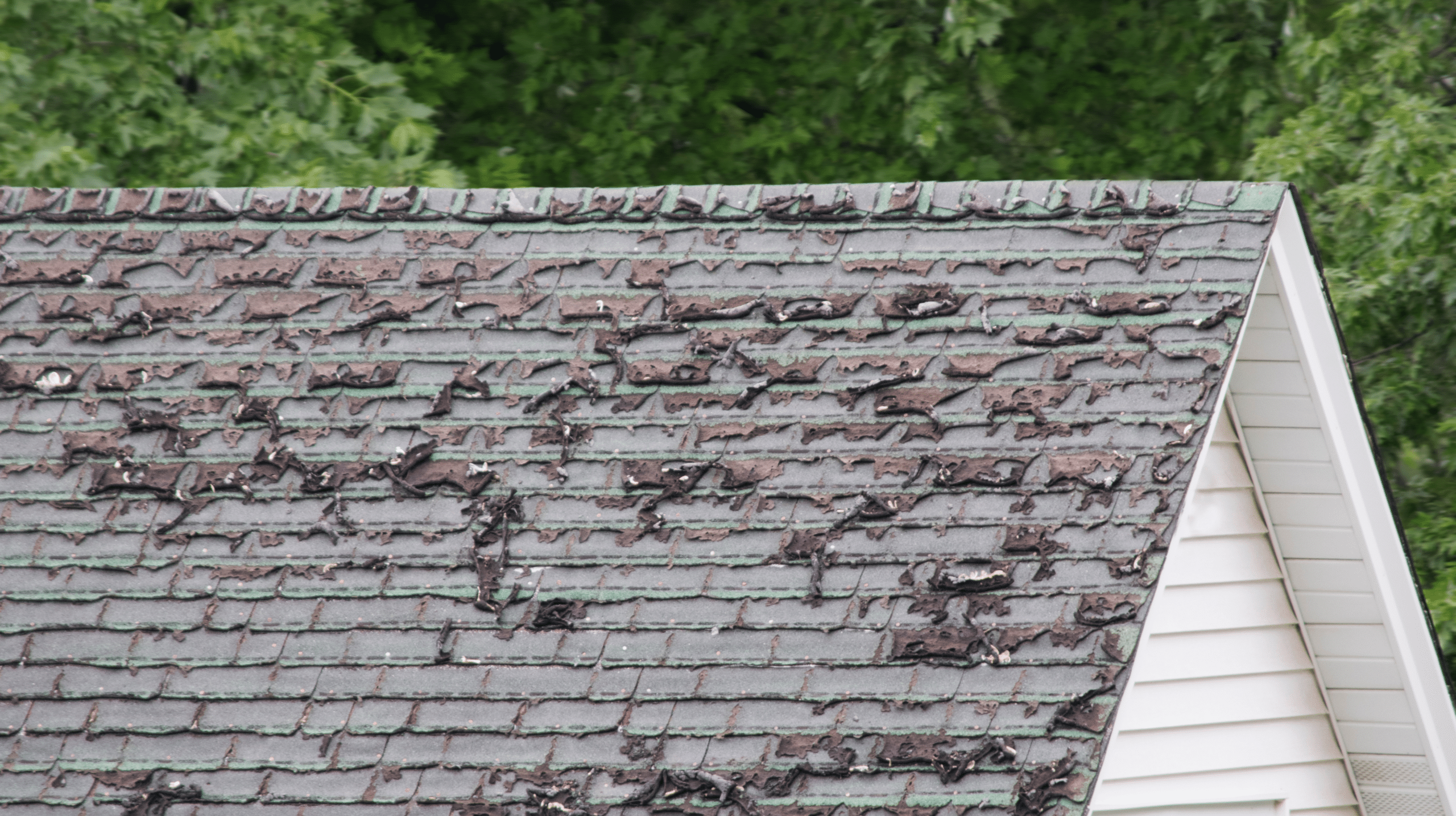
Connecticut winters are harsh. Snow, ice, and freezing temperatures can put significant stress on roofs, but the damage often isn’t immediately visible. Shingles may lift slightly, flashing can weaken, and small leaks start quietly. Many homeowners only notice these issues in the spring when snow melts, water stains appear, or shingles start to fall. This is the time when claims are filed—and often, that’s when homeowners first realize how much the claims process has changed.
Insurance Companies Are Looking Before They Arrive
It’s becoming standard for insurers to rely on third-party data rather than only on in-person inspections. Satellite images, aerial photography, drone footage, and automated roof reports can all be reviewed before an adjuster even schedules a visit. While this technology is designed to speed up claims, it can also create gaps. Remote assessments may not capture subtle, progressive damage that only shows up on-site. A roof might look intact from a satellite image while already showing stress or leaks that will worsen if left untreated.
The Limits of Remote Assessments
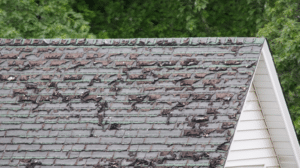
Remote tools cannot fully capture what a trained professional can see in person. They often miss minor lifts or cracks in shingles from wind and ice, soft spots in decking or compromised structural elements, and subtle damage from ice dams or heavy snow buildup. Connecticut’s winter weather can vary block by block. Two homes that look similar from above may experience completely different damage. Remote reports often generalize these differences, leading to claims that may be denied or undervalued despite real damage.
Why Spring Claims Are Vulnerable
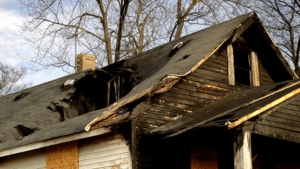
Many winter-related roof issues develop gradually. Ice dams form over time, freeze-thaw cycles weaken materials, and snow accumulations stress roofs differently across neighborhoods. By spring, the damage is visible, but insurers may still be referencing outdated images or generalized data. This mismatch can create confusion for homeowners, who know their roof is damaged but see the claim denied or minimized.
Ensuring Accurate Evaluations
The key to navigating spring claims is understanding the limitations of remote data and insisting on thorough inspections. Physical evaluations by professionals identify subtle and progressive damage that automated reports often miss. Proper documentation ensures claims reflect the actual condition of the roof, giving homeowners confidence that their property is being fairly assessed.
How Robinhood Adjusters Can Help
This is where Robinhood Adjusters comes in. We specialize in working with Connecticut homeowners to make sure every claim is evaluated thoroughly and accurately. Our team conducts detailed, on-site inspections, documents all damage, and advocates for homeowners when insurance companies rely too heavily on remote reports.
With Robinhood Adjusters, homeowners don’t have to accept a denial or undervalued claim. We ensure the facts of the property—and the damage it sustained—are fully represented.
Take Action This Spring
Spring is the season when winter damage becomes visible—and when delays in claims can make a real difference. If your roof sustained damage, or if your claim doesn’t feel right, it’s important to get a professional, on-site evaluation.
Contact Robinhood Adjusters today at (203) 727-3968 to schedule an inspection and ensure your claim reflects the true condition of your home. Don’t let remote photos and third-party reports dictate the outcome—make sure your property gets the attention it deserves!