Filing an insurance claim can be stressful, especially when you’re already dealing with damage to your home or property. But what happens if your claim is denied or the payout doesn’t cover your losses? It’s frustrating—and, unfortunately, all too common.
Before giving up, it’s important to understand your options and know the steps to take to get the settlement you deserve.
1. Understand Why Your Claim Was Denied or Underpaid
Insurance companies deny or underpay claims for various reasons, including:
- Insufficient documentation: Missing photos, repair estimates, or proof of loss.
- Policy exclusions or limits: Certain damages might not be covered or are capped.
- Errors in the claim process: Mistakes in paperwork or overlooked damages.
- Disputes over damage cause or scope.
Knowing the exact reason your claim was denied or underpaid helps you address it effectively.
2. Review Your Policy Thoroughly
Your insurance policy is your contract. It outlines what’s covered, limits, and your responsibilities. Reviewing your policy carefully can:
- Help you identify coverage gaps or misunderstandings.
- Prepare you to challenge incorrect denials.
- Clarify what damages you can claim.
If reading insurance jargon feels overwhelming, get help from a professional.

3. Gather Strong Evidence
Reinforce your claim with thorough documentation:
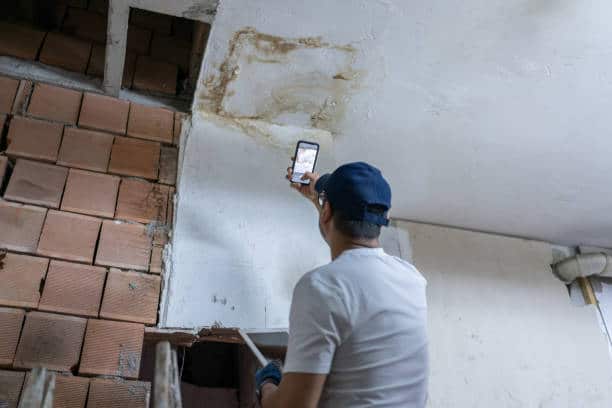
- Photos and videos of the damage before, during, and after the event.
- Repair estimates from licensed contractors.
- Receipts for temporary repairs or living expenses.
- Written correspondence with your insurance company.
The more detailed your evidence, the harder it is for insurers to deny or lowball your claim.
4. File an Appeal or Request a Reassessment
Many insurance companies allow policyholders to appeal denied claims or request reassessments. Follow their procedures carefully and submit any additional evidence or documentation.
Don’t be afraid to speak up. Persistence can pay off.
5. Get Help From a Public Adjuster
Navigating insurance claims is complicated, especially when you’re emotionally and financially stressed. Public adjusters work exclusively for you, not the insurance company. They:
- Assess and document damage thoroughly.
- Negotiate with insurers on your behalf.
- Ensure you receive a fair settlement aligned with your policy.
At Robinhood Adjusters, we specialize in helping homeowners in Connecticut get the compensation they deserve—especially when claims feel unfair or overwhelming.

6. Know Your Legal Rights
If you believe your insurance company is acting in bad faith—unfairly denying or underpaying claims—you may have legal options. Consult with an attorney experienced in insurance disputes to understand your rights.
Don’t Give Up
Your insurance claim is more than paperwork—it’s about rebuilding your life. If you’ve been denied or underpaid, don’t settle for less than what you deserve. Taking the right steps can make all the difference.
Need help with your claim?
Contact Robinhood Adjusters today for a free consultation. We’re here to fight for you.