Key Takeaways
- Storm damage is layered and deceptive. What looks like minor exterior damage could hide serious issues like water infiltration, wiring damage, or insulation problems.
- Fallen trees and high winds raise legal questions. Issues of liability, ownership, and insurance responsibility can complicate claims without proper documentation.
- Insurance inspections may miss deeper damage. Rushed inspections often overlook hidden hazards like electrical issues, compromised roofing, or mold risk.
- Lowball settlements are common. Insurance companies may offer quick payouts that don’t reflect the real cost of restoration.
- Public adjusters work for you, not the insurer. Robinhood Adjusters documents everything, interprets your policy accurately, and negotiates a full, fair settlement.
- Connecticut storms are unique. Robinhood knows the challenges posed by New England’s aging trees, older homes, and harsh storm cycles — from hurricanes to ice storms.
- Don’t clean up too soon. Always document the damage thoroughly before removing debris — photos are key to a strong claim.
A wild summer storm whips up. By this time of the year, I know I’m eagerly anticipating the wind that will usher in slightly cooler temperatures – and here comes the wind, as the sky fills with flashes of lightning and the cat scurries under the bed to hide from the thunderclaps.
Fortunately, we aren’t in an extremely risky area as far as wind storms, but Connecticut certainly isn’t immune to high winds, even including the occasional tornado.
You get the candles and touch lights out just in case. Summer weather in Connecticut can be both glorious and serious. Today, though, it appears to be the latter.
*CRACK*
The unmistakable sound of a tree branch breaking.
That crack almost serves as this storm’s escort out of town and on to new adventures. The thunder rolls, lightning flashes, and eventually the rain calms down. All is well, right?
Right?
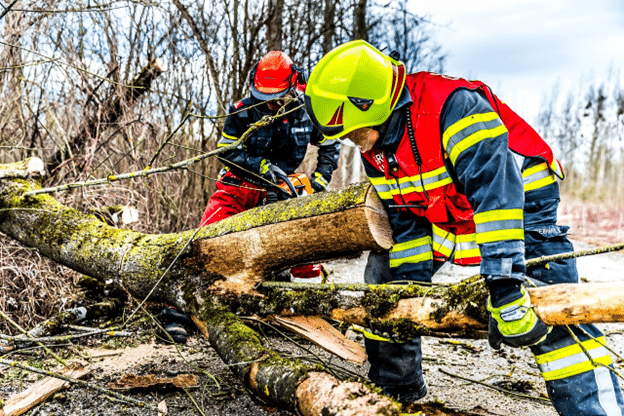
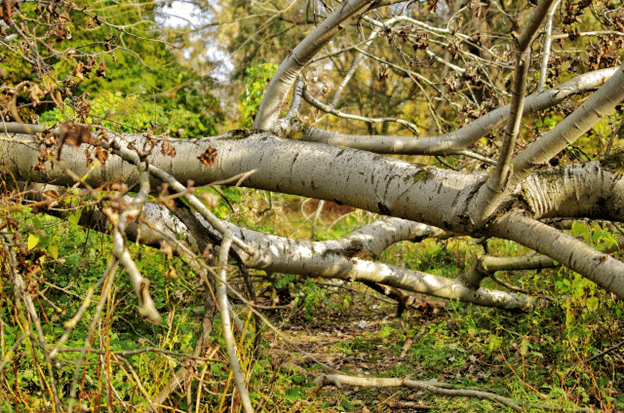
The next morning, you step outside, take a deep breath and exhale a sigh, and suddenly, there it is: a tree has come down. Not just one, but there’s one over there that hit the fence, a large branch has turned your garbage can corral into a garbage can’t corral — that sad little pile of plastic bins now looks like modern art. And yeah – the one you heard last night seems to have helped itself to a little chunk of the roof over the garage. None of these things is good or fun. It could have been a lot worse, but this is plenty, isn’t it? The storm has done some damage to your house, fence, and outbuilding.
The Many Faces of Storm Damage
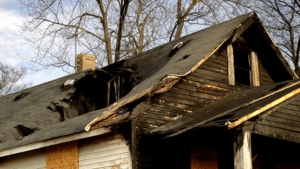
A falling tree or a few downed branches may not seem like much on the surface, but there’s no mistaking the damage a heavy piece of falling wood can do to a roof. You can easily see that crushed section of fence, there’s no mistaking what you’ve got to do to store the garbage cans.
But a roof?
There is more potential for trouble than meets the eye!
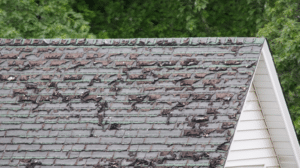
A broken window or window seal, damage to any solar panels you may have up there, and there may be HVAC damage, but you will see the shingle damage first thing. A few of them even made it over to the neighbor’s yard.
What the shingles were protecting could now be part of the problem. Electrical wiring could be compromised, literal holes will let water in to wreak more havoc, and in this summer heat, mold and mildew are waiting in the wings to do their part, too. Given the opportunity that water will make it into your insulation and down the walls and right into that newly installed hardwood floor.
Storm damage happens in a lot of ways and is a multi-layered problem. What you see on the surface may be just the beginning.
Where Claims Get Messy
Tree and wind damage can take many forms and layers, including the part where it’s going to get a little messy. Who owns the tree? What did it land on? Was this an ‘Act of God’? My fault? The neighbor’s fault? How much coverage do I have? Are there loopholes? Who is liable for this, overall? Will my insurer recognize that this damage was caused by the storm, or will they try to exclude it as a pre-existing condition?
So many questions.
Your insurance policy will have rules, requirements in order to ensure coverage of this damage.
Prompt documentation is very important. Take pictures and do what you can to mitigate any further damage. Cover holes with a tarp, seal up the windows, and be ready for the insurance company to come out and give what could be a cursory inspection. Beware: they can still miss damage, fail to anticipate some of that deeper damage like electrical problems or those floorboards, since so far, at least, everything else seems okay.
Based on this initial inspection, your insurance company could offer you a low-ball settlement. Don’t fall for it. Take a breath before signing anything — this is a stressful moment, and while time matters, pressure shouldn’t rush your decisions. While time is of the essence here, don’t agree to anything you feel pressured to accept. I’ll tell you why.
Why a Public Adjuster Matters
Before you call your insurance company, you can bring in your own big guns by reaching out to a public adjuster.
Robinhood Adjusters, for example.
A public insurance adjuster can document damage thoroughly before cleanup or removal, ensure downed trees are correctly linked to covered property loss, and push for full roof/siding replacements when damage goes beyond surface level.
While they’re managing your claim, they will bring in trusted inspectors and the best mitigation professionals. It’s like having a whole team at your disposal.
Robinhood Adjusters know the business. They know how to interpret policy language, present your claims using correct terminology, and fight lowball offers with realistic, accurate estimates.
These aren’t claims adjusters with ‘just’ a clipboard. These are experienced adjusters with a clipboard, a plan, and a backup team.
New England has its quirks – aging trees, historic homes, and those charming heavy snow and wind storm combinations that can send those aging trees to the ground, or whatever they hit first.
As a Connecticut-based business, Robinhood Adjusters knows the ins and outs of a New England storm and everything that comes along for the ride. They know ice storms, Nor’easters, hurricanes, and those rare but real tornado-strength winds.
What to Do Right After a Storm
So what do we do now?
First step: don’t panic! You’ve got this. Think safety first. Check for potential hazards – hot exposed wires, unstable trees, be sure the family, both human and furry companions, are safe and sound.
Second step: get your camera out and start documenting everything. Take pictures of the fallen trees and branches. Get several shots of the damage your home and outbuildings sustained, and don’t forget that section of fence. Document any debris or flooding, too. Fill your roll with evidence of how this storm damaged your property. This will come in handy.
Don’t: clean it all up too soon. Get the pictures and videos.
Then pull out your insurance policy and give them a call. Next and best step: Call Robinhood Adjusters.
You Don’t Have to Weather This Alone
A storm may pass quickly, but its aftermath can linger.
Whether your roof is leaking, your tree came down, or your fence now resides in the neighbor’s yard, Robinhood Adjusters is ready to help you recover thoroughly and fairly.
Don’t just hope your policy will cover it. Call the experts who can make sure it does.