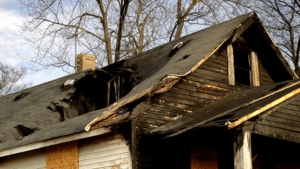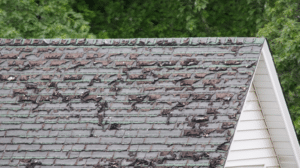
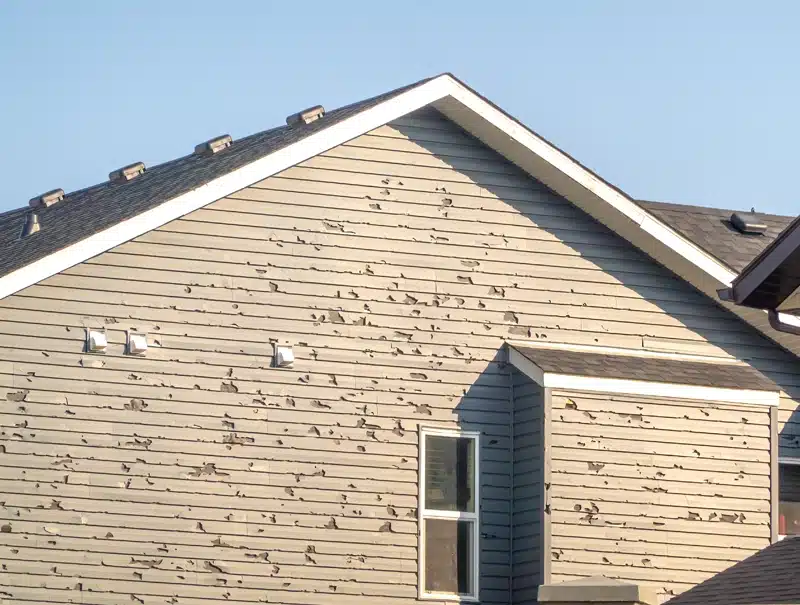
If you woke up to dented gutters, scattered roof granules, or unexplained damage after a storm, you’re not alone in wondering: Did it hail last night?
Key Takeaways
- Confirm hail events using NOAA and National Weather Service data, as insurers often rely on these official sources.
- Most homeowners and commercial policies cover hail damage, though separate wind/hail deductibles and exclusions may apply.
- Always document visible damage with clear, date-stamped photos before beginning any repairs.
- Be aware that insurers may minimize cosmetic damage or cite wear-and-tear to limit payouts.
- Hiring a licensed public adjuster early can help protect your claim and ensure a fair settlement.
As public adjusters serving Connecticut, we often hear this question right after a storm passes. Hail damage isn’t always obvious, and insurance coverage can vary depending on your policy language. Here’s how to verify whether hail actually struck your property, and what to do next to protect your claim.
How to Confirm a Hail Event Near You
1. Check official storm data
The NOAA Storm Events Database records hail by state, county, and size. This is one of the same resources insurance carriers use to verify weather conditions when evaluating a claim.
2. Review your local National Weather Service (NWS) page
Local NWS offices publish real-time hail reports and updates on what qualifies as “severe hail” (usually 1 inch in diameter or larger). If your area was in a hail path, it’s likely documented there.
3. Don’t assume “no report” means “no hail”
Official reports can take hours, or even a full day, to appear in national databases. Lack of an entry doesn’t always mean there wasn’t a hail event.
Tip: Save screenshots of any local alerts, weather radar images, or storm reports that confirm hail in your area. These can strengthen your claim file later.
What Homeowners Insurance Typically Covers
Most standard homeowners’ policies list hail as a covered peril. That means your insurer should pay for direct physical damage caused by hail, within your deductible and policy limits.
What’s generally covered
- Roof damage caused by hail impact
- Dented or cracked siding, skylights, and gutters
- Broken windows and water intrusion from roof leaks
- Detached structures like sheds or fences (usually under “Other Structures” coverage)
Important coverage notes
- Deductibles: Many Connecticut homeowners have a wind/hail deductible separate from their standard one, often 1–5% of the home’s insured value.
- Exclusions: Routine wear, old roofing materials, or pre-existing deterioration aren’t covered.
- Cosmetic clauses: Some insurers exclude “cosmetic-only” roof dents, especially on metal roofs, unless waterproofing is compromised.
Our take: If you see visible signs of impact—even small ones—have an independent inspection before assuming it’s just cosmetic. Many denied hail claims start with that misunderstanding.
How Commercial Property Insurance Handles Hail
For business owners, hail is typically a covered cause of loss under standard commercial property or Business Owners Policies (BOPs).
What’s usually included
- Roof, façade, and exterior wall damage
- Signage, HVAC systems, and equipment
- Water intrusion or leaks following hail impact
What to review
- Deductible structure: Many commercial policies apply wind/hail deductibles per building or per location.
- Roof materials: Single-ply or lightweight metal roofs can be more vulnerable, and insurers often scrutinize these claims closely.
- Coverage extensions: Check if business interruption coverage applies if hail damage forces a closure or delays operations.
At Robinhood Adjusters, we’ve handled hail claims for everything from retail plazas to manufacturing facilities—and we’ve seen insurers dispute the same type of damage in similar storms. That’s why documentation and representation matter.
What to Do if You Suspect Hail Damage
1. Document everything
Take clear, date-stamped photos of:
- Roof surfaces (including shingles and flashing)
- Gutters, downspouts, vents, and skylights
- HVAC units, siding, and windows
- Granules on the ground or in gutters
2. Prevent further damage
Cover leaks with tarps, board up broken glass, and keep receipts for any temporary repairs. Insurers often require “reasonable mitigation” after a storm.
3. Contact a licensed public adjuster early
Before filing a claim, it helps to have an unbiased inspection from a licensed public adjuster. We can confirm whether the damage is likely hail-related, estimate the true cost of repairs, and guide you on whether filing is worthwhile based on your deductible and coverage.
4. If you file, keep everything organized
Save every email, adjuster note, and estimate. These details matter if there’s a dispute over scope or payout later.
Common Hail Claim Complications
- “Cosmetic only” arguments: Carriers may call dents or dimples non-functional damage, even when they compromise roof integrity.
- Aging roof issues: Older materials can lead to partial denials under “wear and tear” exclusions.
- Separate wind/hail rules: Some policies use unique deductibles or loss settlement terms for hail damage.
If you’ve been told your loss is “cosmetic,” “wear-related,” or “below deductible,” get a second opinion. A qualified public adjuster can review the insurer’s reasoning and your policy’s fine print to make sure you’re not being shortchanged.
Quick Checklist
- Check NOAA and NWS reports for local hail data
- Photograph every affected surface and item
- Make temporary repairs and save receipts
- Review your policy for a separate wind/hail deductible
- Contact Robinhood Adjusters for a professional damage assessment
- Keep all claim-related communications organized
FAQs
How can I tell if I have a wind/hail deductible?
Check your policy’s declarations page. Many Connecticut policies list a separate deductible percentage for wind or hail losses.
Will my insurer replace my entire roof?
That depends on the policy, local building code, and state-matching requirements. If hail compromised the roof’s waterproofing, full replacement is often justified.
Are AC units, gutters, and skylights covered?
Yes, if they sustained direct hail damage and are part of the insured property. Coverage still depends on your policy’s specific limits and exclusions.
What if the damage looks minor?
Even small dents can shorten a roof’s lifespan or void manufacturer warranties. Have a professional inspection before deciding not to file.
The Bottom Line
Verifying last night’s hail isn’t hard, but navigating your insurance coverage can be. Standard policies typically cover sudden, direct hail damage to your home or business, though deductibles, exclusions, and fine print vary.
At Robinhood Adjusters, we advocate for property owners, not insurance companies. If you suspect hail damage, we’ll document, verify, and negotiate on your behalf to make sure your claim reflects the full cost of recovery.