Key Takeaways
- Water damage often begins with small, unnoticed issues like hidden drips or appliance failures.
- New England homes face added risks from frozen pipes, ice dams, and severe storms.
- Mold can begin growing within 24–72 hours, making fast action critical.
- Delays can lead to structural issues such as warped floors, drywall collapse, and electrical hazards.
- Calling a public insurance adjuster before the insurance company helps ensure proper documentation and fair claim handling.
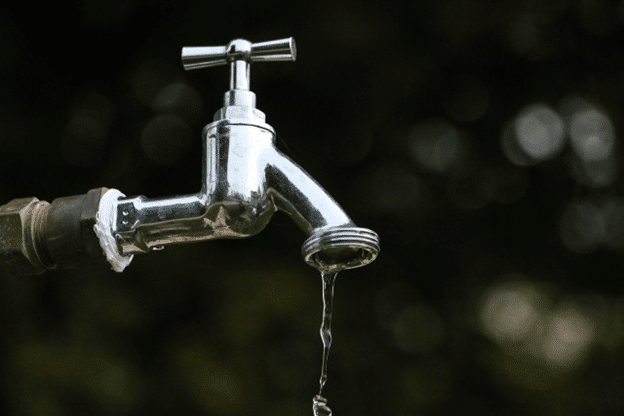
How does water damage happen? You’ve got several unfortunate options here. Perhaps you’re settling in for the evening and hear it. That steady mystery drip-drip-drip in a setting you know there shouldn’t be anything dripping anywhere. A mystery drip could be harmless. Maybe you didn’t turn the faucet fully off in the kitchen. There’s the easiest fix: get up, turn off the faucet, and get on with your evening as most folks do.
But no, it’s not going to be that easy, is it? After checking every faucet in the house, you still hear a drip. Yeah, that’s not good. Out comes the towel and big plastic bowl brigade. You should be okay at least overnight, at least for now.
Maybe it’s nothing that subtle. Maybe a strange combination of sounds awakens you. It’s those strange noises we come to dread. A terrifying electrical woob-woob, water splashing, sounds like you suddenly have an indoor water feature, and that is definitely not good! Maybe it’s been a super cold winter, and you’ve experienced the dreaded radiator pipe-burst. You splash through inches of water across the bedroom and recklessly unplug the fan while chaos reigns. Note to everyone: don’t do this. Once things calm down, you’ll be processing the risk for weeks. You’ll prefer taking my word for it. This is why we have breaker boxes, so try to stay calm and get the electric portion of the chaos easily under control. And while you’re down there flipping breakers, find the right shut-off for the water while you’re at it. This is bad, but it could be worse.
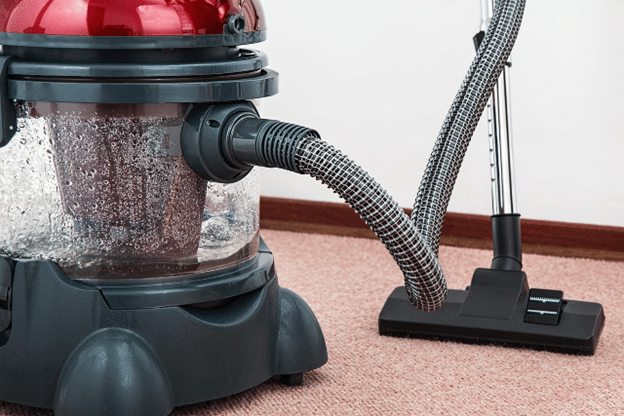
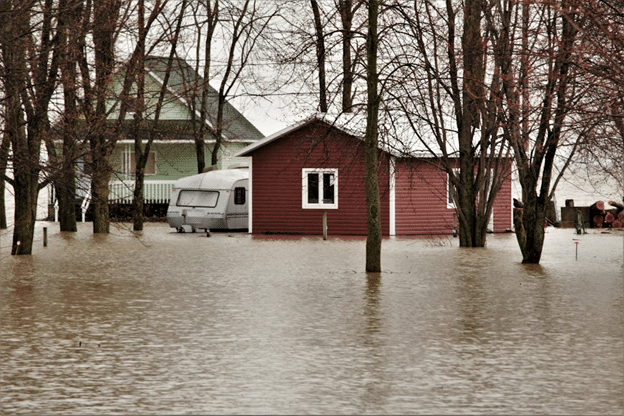
There are many reasons you could have uninvited water in your walls, on your floors, in the basement, dripping from the attic, here in New England. From hurricane and Nor’easter season to frigid winters that freeze vulnerable pipes, ice dams on the roof, and antique construction of our beautiful historic Connecticut homes, eventually gives way.
Water damage is one of the most common and costly claims for homeowners or property managers.
And you’ll want to get this managed fast. The longer it sits, the more damage water does to your walls, floors, and, not to mention, the hidden mold that’s just waiting to grow into a huge issue.
The Big Offenders: Where Water Damage Comes From
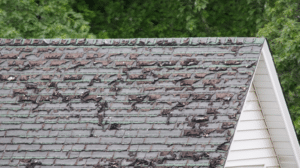
Water damage, as I mentioned above, can come from many different sources. During the winter, we may have ice dams working their way through the shingles and into your attic. You can take steps to prevent this by keeping your gutters properly maintained, which will go a long way towards keeping your roof leak-free.
We can’t fully shelter our homes from hurricane season, but we can keep our landscaping under control and possibly avoid a tree or branch falling through the roof or a window. Even well-placed sandbags can help keep water from entering low-lying areas. Keep your sump pump in good working condition down in the basement to efficiently remove water before it becomes a bigger issue.
Appliances can fail, so keep an eye on your dishwasher, washing machine, and even the convenient ice maker on your fridge can become a source of unwanted water damage. Check your plumbing periodically for new or developing problems.
A few minutes with a wrench and a notepad can save you a whole lot of stress and cost down the road.

The Clock Is Ticking: Why Fast Action Matters
All this uninvited water can start causing problems quickly. Mold can start spreading within 24-72 hours after a water emergency, depending, of course, on air temperature and ventilation. It’s definitely easier to mitigate the damage sooner rather than later. Professionals can stop the spread of mold and mildew in your walls and floors, as well as sanitize the area once the water’s gone.
Delay can result in structural damage as well: drywall collapse, warped floorboards, and ongoing electrical hazards. Ignoring these realities can result in rusting, corroded connectors and add to fire risk if left unattended.
Time is of the essence here. Take care of the right now by turning off the water supply and electricity in the affected area, and be ready to take the next steps, filing a water damage insurance claim.
Don’t panic, but don’t wait, either. A call to a public insurance adjuster is the perfect next step, even before you call your insurance company.
The Cleanup Chain: From Water Mitigation to Full Restoration
So the Bad Thing happened. A persistent hidden drip, or the sudden, unexpected indoor water feature.
First things first: shut things off at the source.
Then get your files out and get ready to make the calls. Before you even call the insurance company, call a public insurance adjuster.
They’ll come out and start documenting everything – notes, photos, everything you’ll want to have in place so the insurance company knows what you’re dealing with. Public adjusters have a knack for capturing the absolute essence of the problem. Knowledge and experience are key here.
While you may want to call the cleaning team right away, let your adjuster get the ball rolling on that to avoid any problems with your insurance company once the dollar signs start flying. The adjuster knows the industry and will be able to call in the right team of mitigation experts for the situation.
Bringing in a public adjuster for this will be invaluable for ensuring your insurance claims are as complete and all-encompassing as possible. Don’t let money slip through the cracks in the basement walls.
Your insurance company may be quick to send in its own adjuster, but remember, they work for your insurance company, not you.
Stay Dry, Stay Smart
Water damage can escalate fast. Once the drip takes hold, once the pipe breaks, once you see the dreaded stain forming on the ceiling, it’s not a long trip to permanent and catastrophic damage.
Stay calm but move with purpose. Stop the water, deal with any electrical issues, and document the problem.
Then quickly, as quickly as the water showed up, get out your phone and those key numbers. Don’t face the aftermath alone. In addition to calling your insurance company, call Robinhood Adjusters, and you’ll suddenly have a team ready to fight for you and your property.
We’ll help you navigate this damp problem from initial mitigation to full restoration, and make sure you’re able to wring out the most from this portion of your quite possibly damp insurance policy.
Escalate your recovery process faster than mold will try to creep into your walls and give us a call right away.