Key Takeaways
- Mold often follows water damage, especially when moisture remains hidden or ventilation is poor.
- Some mold is covered by insurance when caused by sudden, accidental events like burst pipes or storms.
- Slow leaks, humidity issues, and poor maintenance typically fall outside insurance coverage.
- Mold exposure can worsen allergies, asthma, and overall indoor air quality if left untreated.
- A public insurance adjuster can help homeowners navigate gray areas, document damage, and pursue fair claim outcomes.
Oh no. Water happened. Uninvited, unexpected water in places where water simply shouldn’t be. Unless you live in a pineapple under the sea, water should never be sloshing around under the floorboards, behind the walls, or causing an unsettling sag in your ceiling.
What’s the occasion? Perhaps a pipe burst. Maybe your dishwasher decided to make a run for the border of your kitchen. Hurricane Awful blew through your city, bringing more water than your sump pump could handle. Uninvited water can come from so many places, but it’s always uninvited, and it always brings a particular risk with it: Mold.
Once you’ve mopped up the floor, fixed the dishwasher hose, and boarded up a storm-destroyed window, you may imagine you’ve mitigated your risks with efficiency.
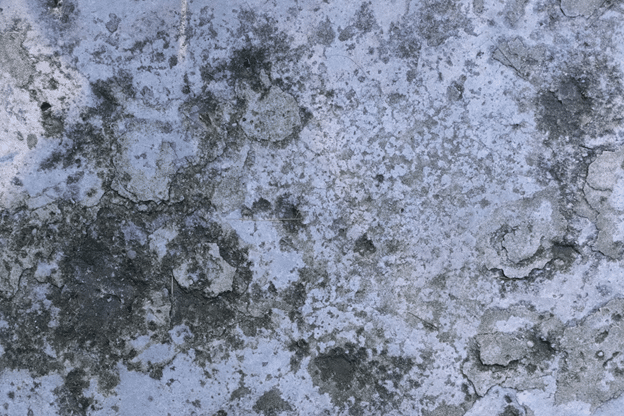
Mold, however, is a sneaky beast and within a day or two may be unpacking and settling in. Uninvited, like the unfortunate water incursion you just sopped up.

Now it’s not inevitable, not everyone with a water emergency will experience a mold problem. But with standing water or hidden moisture, especially somewhere without good ventilation, the risk is there.
Exposure to mold can make asthma worse, cause persistent, ongoing allergy symptoms, and contribute to poor health, particularly with long-term exposure. Professional mold remediation can stop a small problem before it turns into a major insurance headache.
So once you’ve cleaned up on the surface, you may be in for a slightly longer ride with this. To avoid permanent damage to your home, personal items, and health, you’ll want to be sure everything is dried and sanitized.
Who do you call? What’s covered? A slow, persistent drip under the sink may not be covered by your insurance policy. A fast-moving flood, sudden storm damage, or mold caused by a catastrophic pipe failure, however, may be covered. That slow drip, sad to say, is something preventable with regular maintenance. You do keep up with your regular maintenance, don’t you?
If you’re cleaning up after finally fixing that slow drip, you may have to go straight to the cleanup and call in a cleaning service.
In the event of a natural disaster, you may be inclined to get on the phone with your insurance agency right away. Of course, they’ll send someone out to look at the damage and settle any claim you may have, post-water. I mean, in no circumstances should you sleep on this, but who you call can make a difference!
Not sure? Call a public insurance adjuster. We can help you navigate a complicated process and cut through the red tape to get the most out of your homeowner’s insurance.
Why Mold Claims Get So Complicated
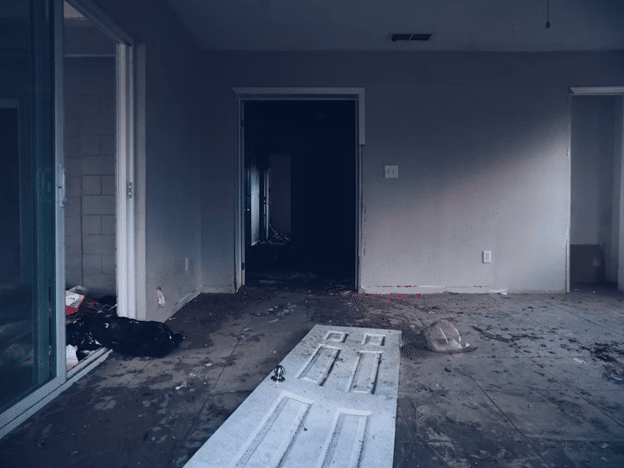
Depending on your situation, your mold may be a symptom – the result of not taking care of that slow leak when you first noticed it. In other cases, it may be the damage, and is often seen as secondary damage, for example, mold that takes hold after a big Bad Thing like a flood or structural damage from a storm.
Your insurance company usually draws the line for you. The mold may be the result of a sudden accidental event, like a burst pipe or storm. But it could also be seen as a maintenance issue, which will likely place responsibility for follow-up squarely in your lap.
Are there gray areas? You bet. An independent adjuster can help you navigate the claim process if you have one. It’s not that your insurance company doesn’t believe you; it’s that they’ll be more than happy to classify your problem as a pre-existing condition.
Mold Coverage Gray Areas: When Insurance Helps (and When It Doesn’t)
Let’s look at a few scenarios.
A sudden burst pipe is going to cause problems for sure. Warped floors, blown-out sheetrock, and eventually the possibility of mold. An event like this will probably be covered under your homeowner’s policy.
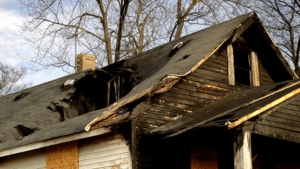
If New England weather blows through in the form of a hurricane or nor’easter, the water pouring through the hole in the roof is probably covered.
A sudden failure of your washing machine or dishwasher? It may be covered if it’s not an ongoing maintenance issue. They may not replace the washing machine, but repairing any damage to your structure may be covered by your insurance policy.
Long-term humidity that could be alleviated by providing ventilation or a dehumidifier will likely be classified a maintenance issue. Dropping a relatively modest amount of money on a dehumidifier can save you thousands down the road if mold becomes an uncovered problem.
If you’re asking whether or not your mold problem is covered, the shortest answer is “it depends”. And if you’ve ever sat there squinting at the clauses in your policy, you’re not alone in feeling like you may need a lawyer, a dictionary, and maybe an old and young priest.
Since you’re here reading today, you may have already considered that you’ll also want a public insurance adjuster to help answer some of these questions. You may be right.
Preventing Mold Before It Becomes a Claim
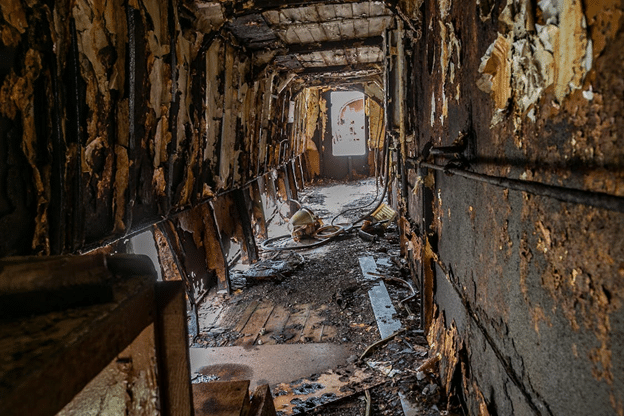
You can take several steps to prevent mold from taking hold of your home. Regular preventative maintenance is never, ever a bad idea. Whether you’re handy with a wrench or have a favorite handyman on speed dial, take care of these issues as they arise, and before they become their own version of a Bad Thing.
Keep your spaces dry. Keep the humidity down with a dehumidifier or exhaust fan. Mold loves dark, wet hiding places, that’s where it can thrive.
Keep your gutters in good repair. Clogs or broken gutters can bring that rain right inside with you…exactly where you don’t want it. Ice dams form in the winter months because of that water just piling up under your roof shingles.
Inspect problem areas regularly. Check the attic for leaks, check the basement for leaks and moisture buildup. Check under the sink before you experience the stink.
Thoroughly dry floors and carpets after a spill or appliance failure. Open up the windows if you can and get that air flow going!
If possible, consider professional water mitigation sooner rather than later. This can go a long way in completely avoiding a mold problem. Your quick action and careful documentation can eliminate some of those gray areas with your insurance company if mold does become a problem.
When to Bring in a Public Adjuster
You can go ahead and call your insurance company. However, you will run the risk of getting into an unpleasant back-and-forth with them as far as what they want to cover. Is it negligence? Is it an actual covered event?
There is a better way! Enter Robinhood Adjusters.
A public insurance adjuster will be helpful in determining the how and when of your mold damage.
We’ll come take a look and document everything. We will ensure that the mold can be linked to a covered event, taking the guesswork out of the paperwork.
We can coordinate with remediation and mitigation experts to build a complete snapshot of your claim.
Having that liaison on your side can be a game-changer when it comes to your household mold damage situation. Mold can creep up fast, and your coverage can be confusing or convoluted, especially when you’re trying to breathe, read your policy, and empty the mop bucket for the umpteenth time.
Before you start pulling out drywall and floorboards, don’t try to guess what’s covered. Call us first and let us help clear the air, both literally and financially.