Key Takeaways
- Explosions are typically covered by homeowners’ insurance if they result from a sudden, accidental gas leak or appliance failure.
- Gas leaks alone may not be covered, especially if they’re due to poor maintenance, corrosion, or slow deterioration.
- Standard policies may include dwelling, personal property, and loss of use coverage, but exclusions and limits apply depending on how the damage occurred.
- Insurance companies often deny or underpay claims by arguing the incident was preventable, misclassifying the cause, or undervaluing damages.
- Common damage includes fire, smoke, structural collapse, blown appliances, and loss of use—some of which may be hidden and missed by the insurer’s adjuster.
- Robinhood Adjusters documents everything thoroughly before cleanup begins and frames the claim properly to avoid common coverage loopholes.
- We coordinate with licensed professionals, negotiate with your insurer, and help secure temporary housing, contents reimbursement, and full structural recovery.
- Connecticut homeowners face added risk due to older homes, outdated infrastructure, and New England weather patterns, making expert support essential.
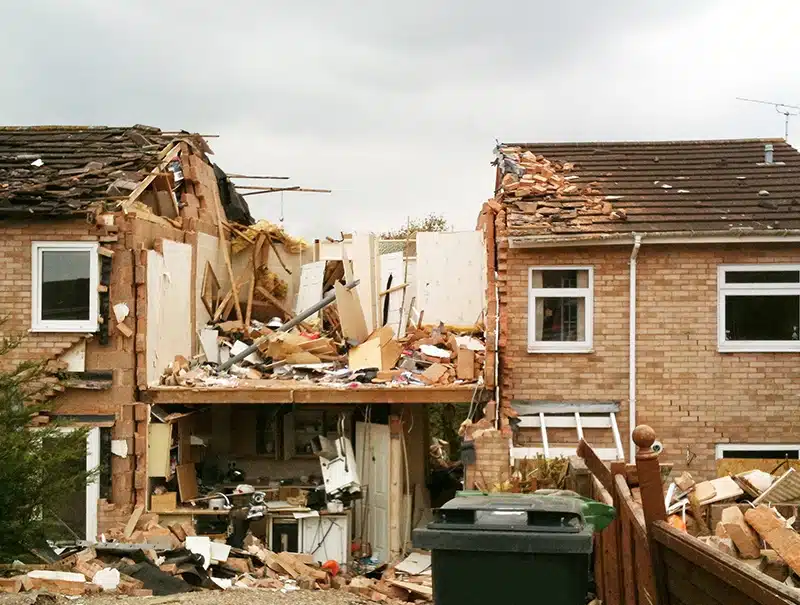
Gas leaks and explosions are among the most devastating incidents a homeowner can experience. Though relatively rare, their impact can be catastrophic, resulting in structural destruction, fire and smoke damage, shattered windows, ruined appliances, and in some tragic cases, personal injury or loss of life.
In Connecticut, where many homes still rely on natural gas, propane, or aging infrastructure, the risk is real. Whether it’s a faulty water heater, corroded gas line, or something as simple as a stove left on, one spark is all it takes.
The Most Common Causes of Residential Gas Explosions
- Faulty or aging appliances: Furnaces, ovens, water heaters, and dryers connected to gas lines can leak if improperly maintained or damaged.
- Undetected gas line corrosion or rupture: Underground lines, particularly in older homes or neighborhoods, may crack or break without visible warning signs.
- Improper installation or DIY repairs: Licensed technicians are required for gas appliance hookups in most cases, but not all homeowners know this.
- Outdoor grills or portable heaters: A common culprit in warmer months, especially when stored improperly or used near the home.
- Natural events: A tree root, a small earthquake, or a construction project nearby can shift or sever a buried line.
Even a small leak can create a combustible atmosphere. If the gas accumulates and meets an ignition source, such as a pilot light, spark, or even static electricity, it can cause an explosion or fire in an instant.
The Aftermath: What Can Be Damaged
Gas explosions aren’t just loud, they’re destructive:
- Blown-out windows and walls
- Fire-damaged rooms and insulation
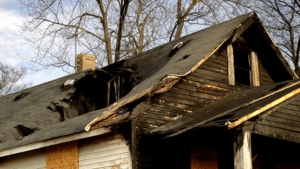
- Roof collapse or structural instability
- Smoke and soot damage throughout the home
- Destroyed appliances, electronics, and furnishings
- Water damage from emergency fire suppression
- Environmental hazards like toxic residue or mold (if left uncleaned)
In many cases, the home becomes temporarily uninhabitable, and full recovery may take months.
The Emotional Toll
Beyond the physical damage, gas explosions are traumatic. Whether you were home at the time or came back to chaos, the shock, fear, and financial uncertainty that follow can be overwhelming. The last thing you should have to worry about is whether your insurance will cover the damage, or how to navigate the claims process.

What Connecticut Homeowners Need to Watch For
Gas systems and appliances are often “out of sight, out of mind” until something goes wrong. Many Connecticut homes (especially those built before 1980) still rely on outdated piping, older HVAC units, and sometimes even unpermitted renovations.
Here’s what to watch for:
- The smell of sulfur or “rotten eggs” (added to natural gas for detection)
- Hissing or whistling sounds near gas lines
- Unusual condensation or scorched vegetation around outdoor gas meters
- Visible corrosion or rust on indoor or outdoor piping
- Dead pilot lights, malfunctioning appliances, or inconsistent heating
If you notice any of these signs, evacuate immediately and call 911 or your gas provider. Then contact a public adjuster to begin documenting the situation if damage has occurred.
What Is Covered Under Your Policy
Most standard homeowners’ insurance policies treat explosions as a covered peril. This means if a gas leak leads to a sudden, destructive event, like an explosion or fire damage, your insurance is likely to provide coverage. However, how much is covered (and how smoothly your claim goes) depends on multiple factors.
Here’s what’s typically covered:
- Dwelling Coverage (Coverage A)
Damage to the physical structure of your home, walls, windows, roof, foundation, and built-in systems like plumbing or HVAC is usually covered if caused by an accidental gas explosion. - Other Structures Coverage (Coverage B)
This covers detached garages, sheds, fences, or guest houses affected by the explosion or fire. - Personal Property (Coverage C)
Furniture, electronics, appliances, clothing, and valuables inside the home that were damaged or destroyed by fire, smoke, or blast force may be included in the claim, though depreciation can apply unless you have a replacement cost endorsement. - Loss of Use / Additional Living Expenses (Coverage D)
If your home becomes uninhabitable due to the damage, this coverage pays for hotel stays, meals, laundry, and other essentials while repairs are underway. - Liability Protection (Coverage E)
If the explosion damages a neighbor’s property or injures someone else, this part of your policy may help cover the associated liability.
Common Limitations & Loopholes to Watch Out For
Even with broad coverage, your insurance company may attempt to limit or deny parts of your claim if:
- The gas leak is classified as gradual or preventable rather than sudden.
- There’s evidence of negligence or poor maintenance, such as rusted piping, DIY repairs, or expired appliances.
- The incident occurred while the property was vacant for more than 30 days.
- The adjuster undervalues personal property or fails to account for smoke damage in adjacent rooms.
- Temporary housing and recovery costs are capped or time-limited, even if you’re displaced longer.
This is where many homeowners find themselves underpaid or overwhelmed, despite technically being covered.
How Robinhood Adjusters Can Help
At Robinhood Adjusters, we’ve helped homeowners across Connecticut navigate the aftermath of gas leaks, fires, and explosions. Our mission is simple: make sure you’re treated fairly and paid fully by your insurer.
We act as your advocate, not your insurance company.
Here’s how we support you from day one:
1. Immediate Damage Assessment
We conduct an on-site inspection to identify every category of loss, including structural damage, contents loss, smoke infiltration, and hidden mechanical issues.
2. Claim Framing & Documentation
We know what insurers look for—and what they’ll try to exclude. We prepare your claim using the correct policy language and submit comprehensive evidence, from appliance damage to wall blistering and blown-out wiring.
3. Full Valuation of Damages
We don’t accept lowball estimates. We calculate the actual replacement value of your property, accounting for local contractor rates, restoration needs, and clean-up logistics.
4. Contractor & Clean-Up Coordination
We can connect you with licensed mitigation teams, electricians, HVAC specialists, and structural engineers if needed—all professionals experienced in post-explosion recovery.
5. Policy Navigation & Negotiation
We handle back-and-forth with your insurer, push back against exclusions or depreciation arguments, and help maximize your settlement. If you need temporary housing, we ensure those expenses are covered properly, too.
Don’t Let One Explosion Lead to Another Financial One
A gas leak or explosion is terrifying enough; you shouldn’t have to fight your insurance company afterward. Whether you’re dealing with fire damage, structural loss, or simply don’t know what your policy covers, Robinhood Adjusters is here to help.
Let our licensed public adjusters handle the inspection, paperwork, and negotiation—so you can focus on rebuilding, not red tape.