Key Takeaways
- Lightning damage can be extensive and hidden. Even if there’s no fire, power surges and electrical issues can compromise wiring, appliances, insulation, and your home’s structure.
- Standard homeowners’ insurance usually covers lightning damage. This includes structural repairs, personal property losses, and additional living expenses, provided the claim is properly filed and documented.
- Surge-related claims can get tricky. If your insurer blames the utility company or says damage was due to poor maintenance, your payout could be denied or reduced.
- Documentation is everything. Photos, videos, serial numbers, receipts, and damage reports can make or break your claim.
- Insurance adjusters don’t always catch everything. They may miss smoke residue, scorched wiring, or insulation damage that could lead to mold and future repairs.
- Robinhood Adjusters works for you, not your insurance company. We know how to frame lightning and surge claims, uncover hidden damage, and fight for a full settlement.
- Taking action before the storm helps later. Surge protectors, a home inventory, and proper grounding can minimize damage and make claims easier to process.
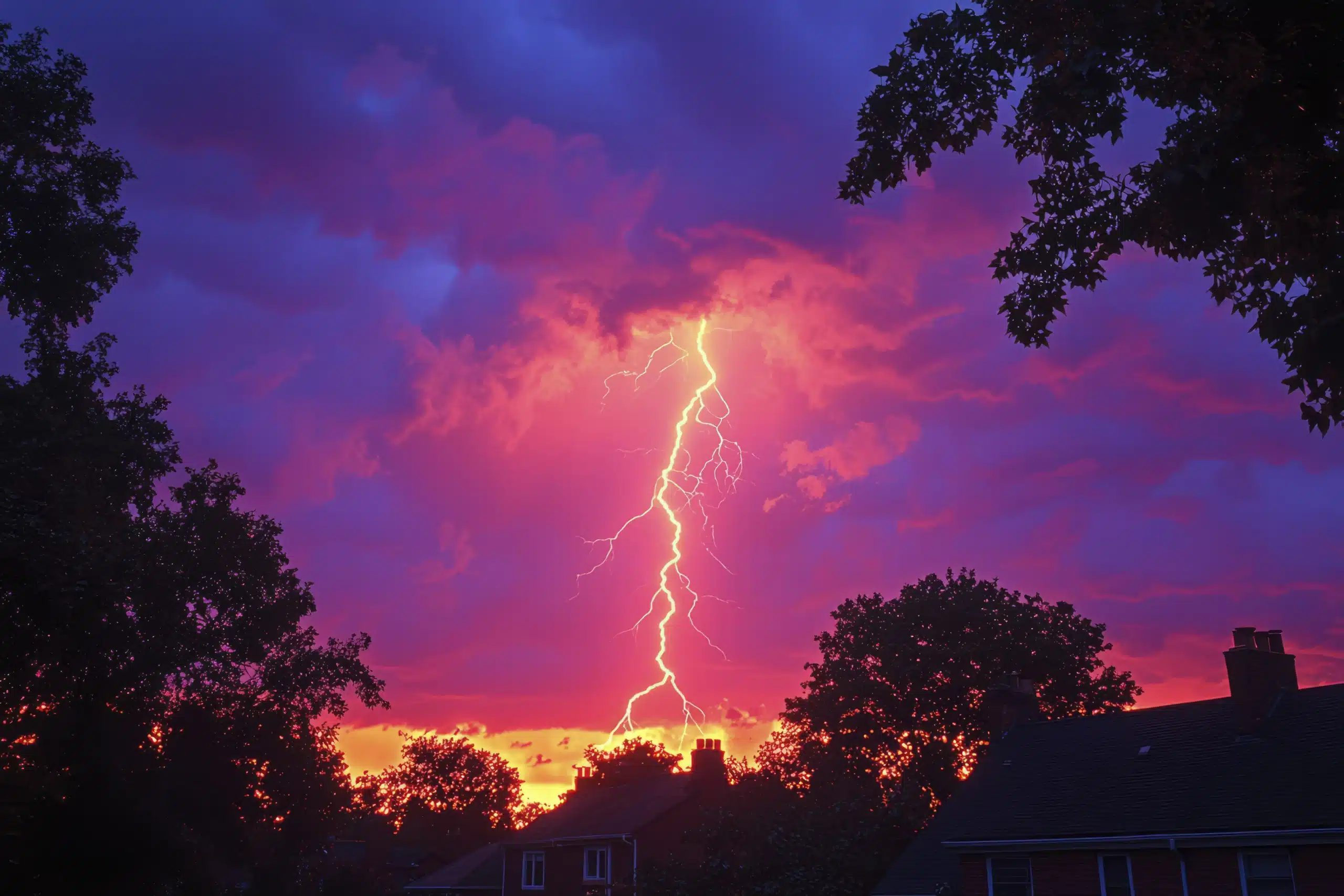
Lightning might feel like a rare occurrence, but for Connecticut homeowners, summer storms and sudden power surges are a very real threat. A single bolt can cause thousands of dollars in damage, not just to your home’s structure, but to your appliances, wiring, electronics, and peace of mind.
So what happens when lightning hits? And more importantly, does your homeowners’ insurance actually cover the damage?
Let’s break it down — and explain how Robinhood Adjusters can help you protect your home, your finances, and your future.
What Can Lightning Actually Damage?
When lightning strikes, the effects can be far more widespread than a charred tree or scorched roof. Here’s what homeowners often face:
- Power surges: These sudden jolts of electricity can destroy TVs, computers, HVAC systems, refrigerators, and any electronics connected to outlets, even through surge protectors.
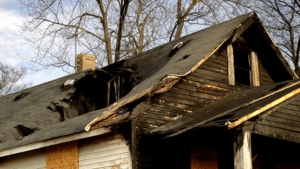
- Fire damage: Direct strikes can ignite attic fires, melt siding, smolder insulation, or cause unseen fires behind walls.
- Smoke or soot: Fires caused by lightning may spread smoke damage throughout the home, including fabrics, HVAC systems, and electronics.
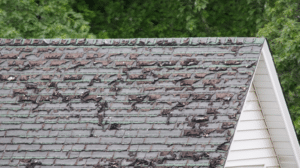
- Structural damage: A bolt can blast roofing materials, crack chimneys, or damage foundations.
- Electrical system failures: Circuit breakers, outlets, and hidden wiring may be compromised, even if there’s no visible damage at first glance.
Even a distant strike can travel through utility lines or plumbing and cause significant harm inside your home.
Does Homeowners Insurance Cover Lightning Damage?
In most cases, yes — standard homeowners insurance policies do cover damage caused by lightning strikes, including:
- Structural damage to your home or attached buildings
- Electrical repairs and system diagnostics
- Fire and smoke damage resulting from a strike
- Personal property losses, such as appliances and electronics
- Additional living expenses if the home becomes uninhabitable during repairs
That said, insurance coverage depends heavily on documentation, timing, and the way your claim is framed.
Here’s what to keep in mind:
- Depreciation matters: Your insurance provider may reimburse you based on the “actual cash value” of your electronics, not what you paid for them. That means a 5-year-old laptop might only be valued at a fraction of its replacement cost.
- Receipts are helpful — but not required: If you don’t have original receipts for damaged items, photographic evidence and serial numbers can help validate your claim.
- Surge protectors aren’t foolproof: Even if your electronics were plugged into a surge protector, damage can still occur, and should still be eligible for coverage.
When Lightning Claims Get Denied or Underpaid
Even when it’s obvious that lightning was the cause, claims don’t always go smoothly. Common issues include:
- Insufficient documentation: If damage isn’t properly photographed and recorded before clean-up or repairs, it may be difficult to prove.
- Missed hidden damage: Insurers may focus on visible damage and miss the more dangerous issues, like smoldering insulation, burned wires, or attic mold.
- Disputed classifications: Insurers might argue the damage was caused by “wear and tear,” “lack of maintenance,” or a “power company surge” — not a lightning strike.
- Lowball offers: Adjusters working for your insurance company may undervalue losses to limit the payout.
In short, it’s not always about what happened — it’s how well you can prove it.
How Robinhood Adjusters Protects Your Lightning Claim
If your home has been struck by lightning — or you suspect a power surge has damaged your property — your first call shouldn’t always be your insurance company.
It should be Robinhood Adjusters.
As licensed public adjusters, we represent you, not your insurance company. Here’s how we help:
- Thorough documentation: We’ll inspect your home, appliances, and wiring to identify both visible and hidden damage before repairs start.
- Claim strategy: We present your claim using the correct terminology and classifications (e.g., “sudden and accidental loss,” “power surge-related damage”) to avoid denial loopholes.
- Realistic valuations: We push back on depreciated or incomplete estimates to ensure your settlement reflects actual replacement costs and local repair rates.
- Negotiation: We manage all communication with your insurance carrier to reduce stress and advocate for a full, fair settlement.
- Emergency coordination: If needed, we’ll connect you with licensed electricians, remediation professionals, and even help you secure temporary housing.
We know how to build a claim that stands up under scrutiny — and gets results.
Know Before the Storm: Proactive Tips for Homeowners
To protect your home — and strengthen any future lightning-related claim — consider the following:
- Install whole-home surge protection at your main electrical panel. These systems are more effective than outlet surge strips and can help protect HVAC systems, appliances, and hardwired electronics.
- Use point-of-use surge protectors for TVs, routers, computers, and audio equipment.
- Create a home inventory: Photograph your electronics and appliances and save receipts or document serial numbers in a cloud storage system.
- Get a professional grounding check: Ensuring your home’s electrical system is properly grounded can reduce the risk of severe damage.
- Unplug electronics during storms: When possible, disconnect high-value electronics before a storm hits.
These steps won’t stop lightning, but they can prevent catastrophic losses and make claims far easier to process.
Don’t Wait Until It’s Too Late
Lightning strikes may last a fraction of a second, but the damage can linger for months if your insurance claim is mishandled or denied.
Robinhood Adjusters is here to ensure that doesn’t happen. Whether your home took a direct hit or your electronics mysteriously stopped working after a storm, let us take the guesswork out of your claim and advocate for the settlement you deserve.
Contact Robinhood Adjusters Today
Don’t go it alone. If you’ve experienced lightning damage or think your power surge may be more serious than it looks, contact Robinhood Adjusters before you file a claim.
We’ll inspect the damage, handle the paperwork, and help you recover fully, without the stress, confusion, or lowball offers.