Key Takeaways
- Mold-resistant materials help prevent costly damage and improve indoor air quality.
- Drywall, paint, flooring, and insulation designed to resist moisture are essential for high-humidity areas.
- Proactive use of mold-resistant products can lower insurance claim risks and repair costs.
- Preventive maintenance and documentation support stronger insurance outcomes.
- Public insurance adjusters can guide property owners in identifying vulnerabilities and improving protection before mold becomes a problem.
As public insurance adjusters, we see firsthand how mold and moisture can quickly compromise a home’s structure, indoor air quality, and overall safety. Many property owners are surprised to learn how common mold issues are and how preventable they can be with the right materials and maintenance practices.
Recent studies show that nearly 47% of U.S. homes have some level of visible dampness or mold, and up to 21% of asthma cases nationwide are linked to exposure to mold or moisture in buildings. These figures underline the importance of prevention, not only to safeguard your property but also to protect the health of those who live or work inside.
This guide outlines ten mold-resistant materials that can help you reduce risk, limit future claims, and create a more resilient home or building.
1. Mold-Resistant Drywall
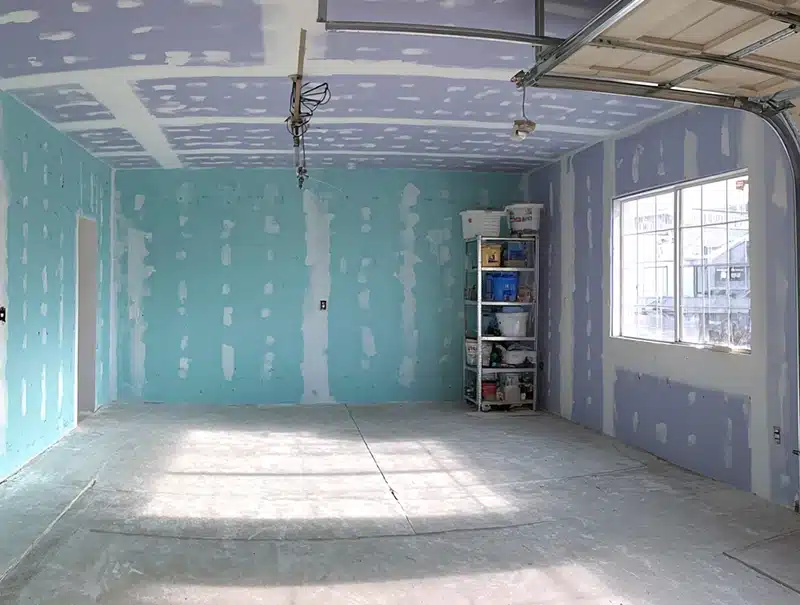
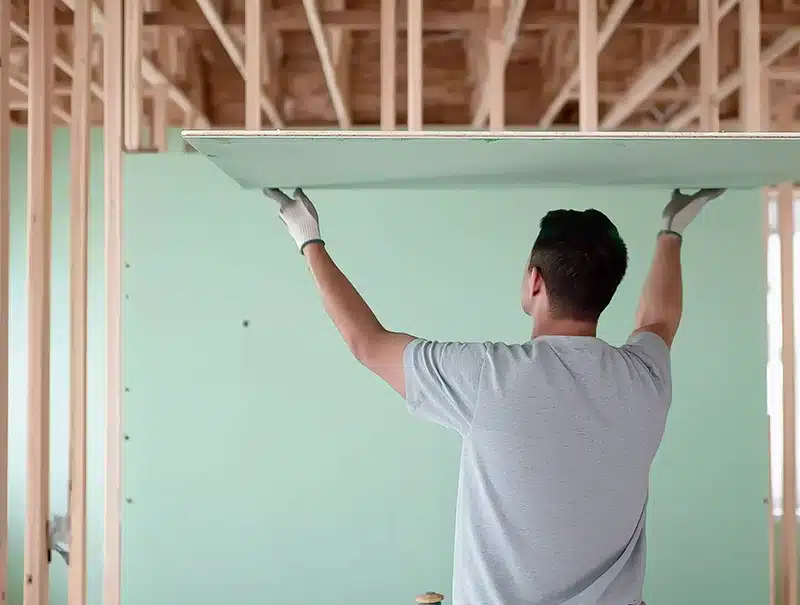
Also known as green board or purple board, this product uses fiberglass facing instead of traditional paper, which resists both moisture and mold. It is ideal for bathrooms, kitchens, laundry rooms, and basements.
Note: In many water-related claims, drywall replacement represents a major portion of the loss. Using mold-resistant drywall can help prevent that damage from spreading and reduce remediation costs.
2. Mold-Resistant Paint
Mold-resistant paints contain antimicrobial additives that prevent spores from attaching to painted surfaces. When paired with proper ventilation, these coatings help maintain cleaner walls and ceilings in high-humidity environments.
Recommendation: Repaint bathrooms and basements every few years with a mold-resistant formula to maintain protection.
3. Mold-Resistant Flooring
Floors exposed to moisture, especially in basements, bathrooms, and entryways, are at higher risk for mold. Porcelain tile, vinyl plank, and engineered wood perform better than carpet or laminate in damp areas.
Insight: Flooring replacement is among the top three expenses in mold claims. Moisture-tolerant flooring materials can substantially lower that risk.
4. Mold-Resistant Insulation
Closed-cell spray foam insulation provides superior moisture control and prevents mold growth inside walls. It also improves energy efficiency, which helps stabilize indoor humidity.
Tip: Insulate pipes in unheated areas to prevent condensation and reduce the risk of freezing or mold behind walls.
5. Mold-Resistant Sealants
Windows, doors, and expansion joints are common sources of hidden water intrusion. Silicone or polyurethane sealants labeled “mold-resistant” provide a waterproof, flexible barrier that keeps moisture out.
Recommendation: Inspect caulking and seals annually, especially before winter, and reseal as needed.
6. Mold-Resistant Roofing Materials
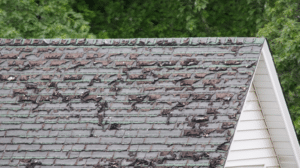
The roof is your first line of defense against water damage. Metal roofing and asphalt shingles treated with mold inhibitors reduce the risk of algae and fungal growth.
Note: Roof leaks are a frequent cause of hidden mold claims. Periodic roof inspections can prevent costly structural and interior losses.
7. Mold-Resistant Gypsum Board
For utility areas such as basements, mechanical rooms, and laundry spaces, gypsum board with moisture-resistant cores offers added protection.
Tip: Combine this with dehumidification systems in basements for the best long-term results.
8. Mold-Resistant Caulking
Replacing worn or cracked caulking in kitchens, bathrooms, and laundry areas is a small maintenance step with significant benefits. Mold-resistant caulking keeps water from seeping behind sinks, tubs, and counters, where mold tends to thrive.
Recommendation: Replace caulking every 12 to 18 months or at the first sign of wear.
9. Mold-Resistant Wallboard
Fiberglass-faced gypsum wallboard is an excellent upgrade for high-moisture zones such as shower walls or utility rooms. Its design prevents paper-backed surfaces from harboring mold spores.
Insight: Installing this during new construction or renovation is more cost-effective than remediation after the fact.
10. Mold-Resistant HVAC Components
Your HVAC system regulates airflow and humidity, so ensuring it is mold-resistant is critical. Systems with HEPA filtration, UV sanitization, or antimicrobial coatings can help reduce airborne mold spores.
Tip: The EPA recommends drying any water-damaged material within 24 to 48 hours to prevent mold formation. Proper air circulation and HVAC maintenance make that goal achievable.
Why Prevention Matters
From a claims perspective, mold is often excluded when caused by neglect or long-term maintenance issues. Preventative measures such as regular inspections, timely repairs, and mold-resistant materials can make a major difference in coverage eligibility and claim outcomes.
Data from the Insurance Information Institute shows that water damage and freezing account for nearly 24% of all homeowners’ insurance claims in the United States. Many of these losses could be mitigated with proactive property maintenance.
Our Advice: Practical Prevention Steps
- Inspect regularly. Focus on roofs, gutters, basements, and around plumbing fixtures.
- Document maintenance. Keep receipts, photos, and inspection reports. This supports your claim if a covered event occurs.
- Control indoor humidity. Maintain humidity between 30 and 50 percent with proper ventilation and dehumidifiers.
- Address minor leaks immediately. Small drips often become large claims over time.
- Consult a public adjuster. A licensed public insurance adjuster can help evaluate risks, review your policy, and ensure you are properly protected.
Frequently Asked Questions
Does using mold-resistant materials guarantee my property will never develop mold?
A: No material can eliminate all risk. Mold-resistant products reduce the likelihood of growth but must be paired with proper moisture control and maintenance.
How common are mold-related insurance claims?
A: While many homeowners’ policies exclude mold unless it stems from a covered peril such as a sudden pipe burst, mold contributes to roughly one in twenty water-related claims, often as a secondary loss.
Are mold-resistant materials more expensive?
A: They typically cost 5 to 15 percent more upfront, but that investment can prevent far higher expenses from remediation, health impacts, or denied claims.
Will my insurance cover mold removal?
A: Coverage depends on the cause. If the mold developed from an accidental, covered event, such as a burst pipe or storm damage, remediation is often covered. If it resulted from long-term leaks or neglect, it likely is not.
How often should I inspect my home for potential mold risks?
A: Twice per year, ideally in spring and fall, and after major weather events or plumbing issues.
To Wrap It Up
As public insurance adjusters, our goal is to advocate for homeowners and property owners by ensuring fair claim outcomes and stronger property protection. Mold-resistant building materials are not just a construction upgrade. They are a long-term risk management strategy.
By combining smart material choices with consistent upkeep and documentation, you can reduce costly damage, improve coverage reliability, and maintain a healthier home environment.
For personalized guidance on mold prevention, property inspection, or claim assistance, contact Robinhood Adjusters. We are your Connecticut-based public insurance adjusters, dedicated to helping homeowners recover, rebuild, and prepare for the future.