Key Takeaways
- Hail damage can be subtle at first, but hidden roof and siding impacts often lead to costly leaks later.
- Insurance companies may deny claims by labeling hail damage as wear and tear, pre-existing issues, or poor maintenance.
- A public insurance adjuster can help identify hidden storm damage, document it correctly, and negotiate for proper coverage.
- Regular roof inspections, impact-resistant materials, and good yard maintenance reduce future hail-related risks.
- Documenting storm damage with photos before calling your insurer helps protect your claim and prevents disputes.
Just a few moments ago, you were relaxing comfortably in the backyard, enjoying the fleeting moments of second summer.
Now, you’re hunkered down inside, wondering if you’re maybe a bit too close to the picture window, torn between preserving your safety and grabbing the perfect snapshot for social media clout. Because of course. But really, go on, git. When a violent storm moves through, something we’ve had more of lately, and it probably won’t be improving any time soon, your safety should be priority one.
And as our weather patterns change, you might be protecting yourself from more than wind. We’re not exactly tornado alley here in southern New England, not yet, at least. But storms with stronger winds, tornadoes and yes, hail, are becoming more common.
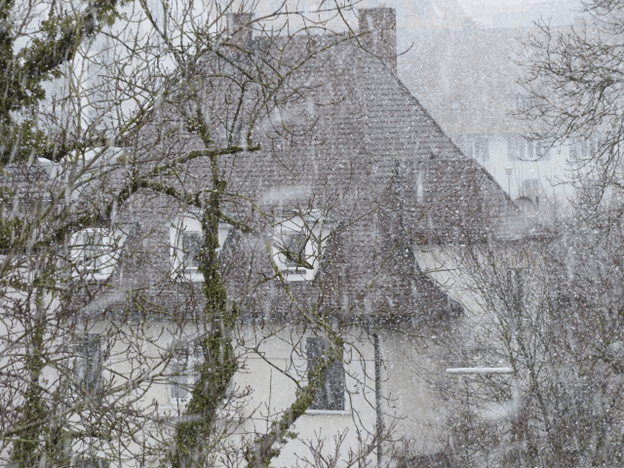
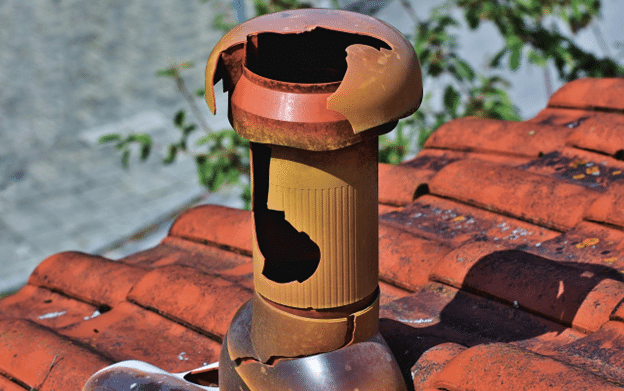
And as fast as the storm whipped up, it moved on to the next town. You managed to keep yourself in one piece and even stayed out of sight instead of cosplaying your favorite storm chaser. You listened to the wind and the torrential rain, heard the startling, sharp sound of hail pummeling the roof, slamming the siding, and you’re not sure if you want to inspect the skylight in the kitchen or check the chimney cap for breakage.
Hail might be a rare occurrence, but the damage can be tricky. It can cause subtle problems you may not even notice at first, but the structural damage and leaks will eventually appear. When it does, you want to make sure you’re covered for the damage and not in that fuzzy place that allows your homeowner’s insurance policy to leave you out in the storm alone.
The Many Faces of Hail Damage
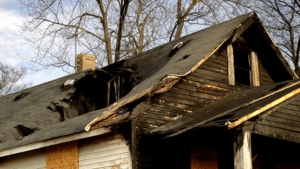
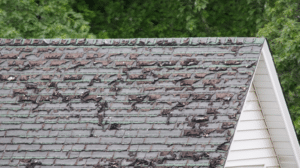
Hail damage will take many forms. Roofing will suffer, whether you have asphalt shingles or tiles. Your siding may take a hit, and you may find cracked or broken windows. Your gutters can easily be pierced or knocked loose by a barrage of hailstones. Look for dented or damaged flashing. Even your HVAC system can be damaged. Basically, if you wouldn’t want a hyperactive octopus with arms full of hammers to have a drum battle on your property, you’ll want to inspect it carefully for hail damage at your earliest opportunity.
Dealing with a commercial property? Flat roofs, signs, and even parking lots can be damaged by hail.
To be clear, repairing hail damage to your roof can easily run you up to $10,000 and even more.
If you miss some subtle signs of damage and time passes, that number can get even bigger.
You may want to bring in some backup when it’s time to inspect and document the storm damage. We can do that.
Why Do Hail Damage Claims Get Denied?
If your car got caught in the driveway when the storm came through, it likely took some damage too. And that’s fairly easy to see – your poor, dimpled hood, a smashed windshield, your beautiful car taken from smooth and shiny showpiece to a visual and tactile horror show. That’s damage that’s hard to miss!
Unlike your car, where dents and cracks are easy to spot, hail damage to your roof or windows can be much sneakier.
Since your whole house is exposed to the elements, it’s easy to at least consider some damage to be the result of regular wear and tear, aging, or negligence.
Your insurance company could even argue that your damage happened before your covered period! DIY repairs and a lack of appropriate documentation can add to the mess, complicating your claim.
How can we move through this process? A public insurance adjuster, that’s how.
When to Call a Public Adjuster
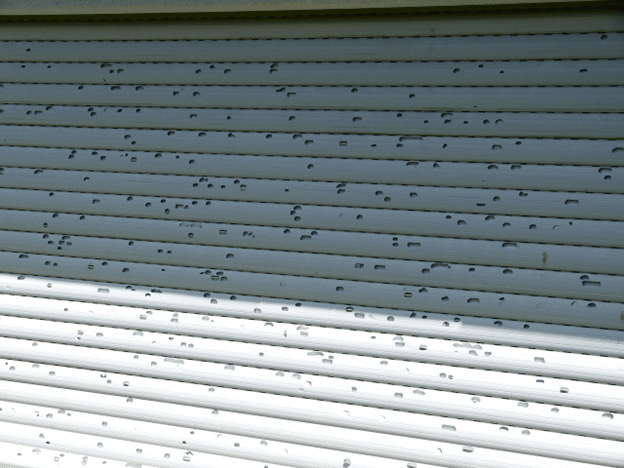
Hail damage can look minor in some cases, like your asphalt shingles. The costs, however, won’t always be minor.
As we’ve discussed before in these posts, your insurance company will send out its own claims adjuster to take a look and come up with an estimate for repairs. While this sounds easy, it may not be in your best interest to call your insurance company first!
Even if you’ve already called them, though, it’s not too late to consider calling a public adjuster. Robinhood will conduct a thorough inspection of your home or property, look for that elusive hidden damage, and document any secondary damage as well.
A public adjuster can help navigate the entire process and handle insurance disputes that may come up concerning structural versus cosmetic damage. We can negotiate with your insurance provider to ensure full replacement value for your storm damage, not just quick patch jobs.
Preventing Future Headaches
Mother Nature doesn’t slow down for anybody, but there are things you can do to safeguard your home from hail damage.
Regular roof inspections are key. Keep up on maintenance when you find cracked or broken roof tiles, loose gutters, and secure flashing. If it’s time to replace the roof, look for impact-resistant shingles or tiles that are manufactured with this kind of weather in mind.
Protect your windows when a storm happens. Close shutters if you have them, and at the very least, close your curtains. This can help keep you safe in case your windows shatter!
In addition, keep up with your outdoor landscaping, keep your trees trimmed, and manage problems as they arise. Hail can easily snap off a branch, adding another dimension of secondary damage to your roof.
Regular inspections after hail or strong storms help catch minor hail roof damage before it leads to leaks or bigger claims.
Put the car in the garage if you have one, pull the grill and outdoor furniture into shelter, too, if you can.
After the storm, it is time to pull the camera out. Not as dramatic as capturing the leading edge of a shelf cloud, but you want to document everything. Even if the damage looks small, take pictures.
Before you go ahead and call the insurance company, give Robinhood Adjusters a call. We’ll send an experienced adjuster out to help document your damage. It’s so helpful to have an extra set of eyes after the storm passes. Yes, after. We may no longer be allowed outside during a hailstorm to gather those big free ice cubes (really, they just won’t let me out there) we can be a helpful ally to stand between you and your insurance company. When it comes to complete repairs and mitigation, it’s better not to go it alone. Don’t get iced out when it comes to your insurance company; reach out to Robinhood Adjusters.